July 1 2025
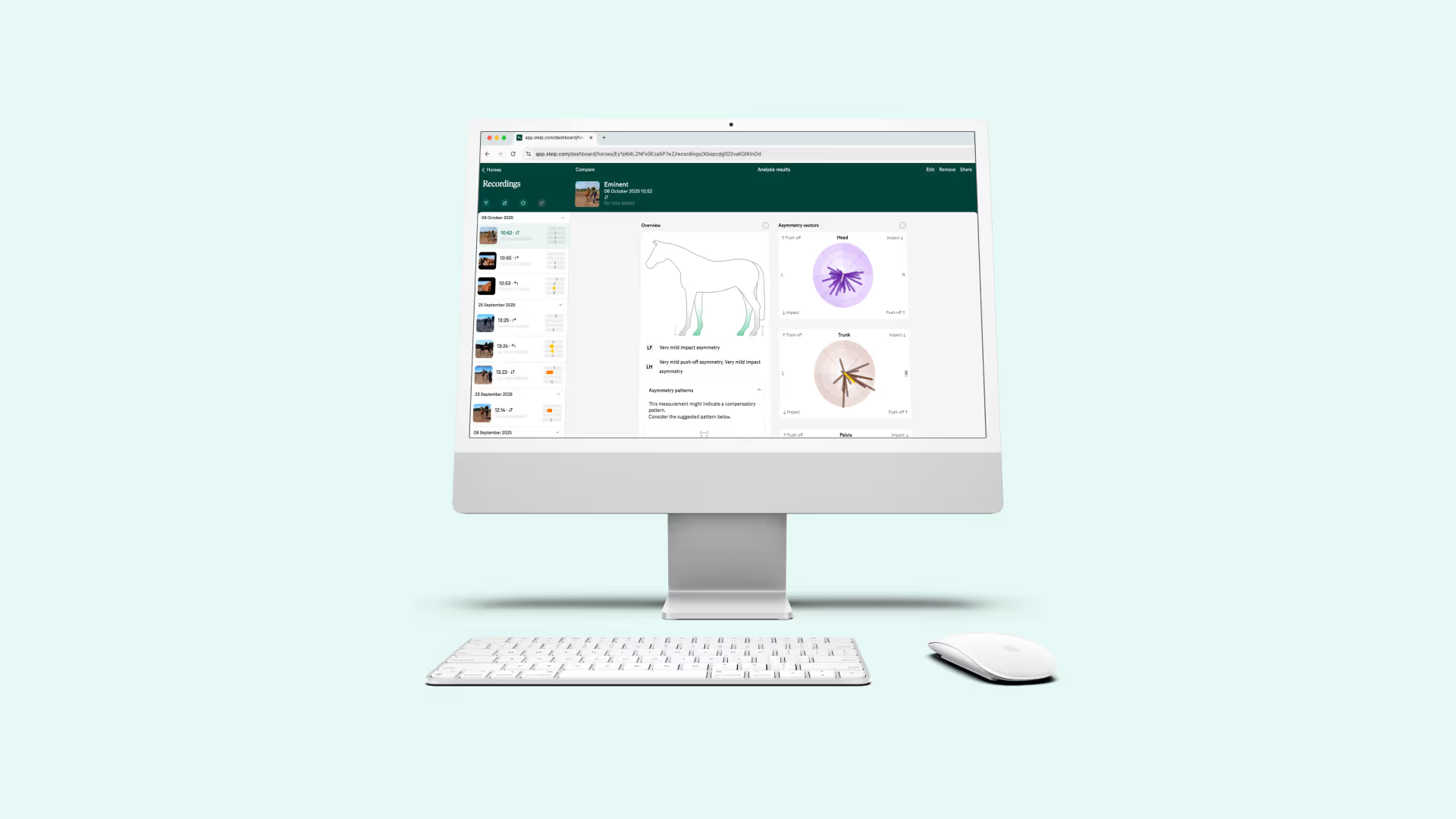
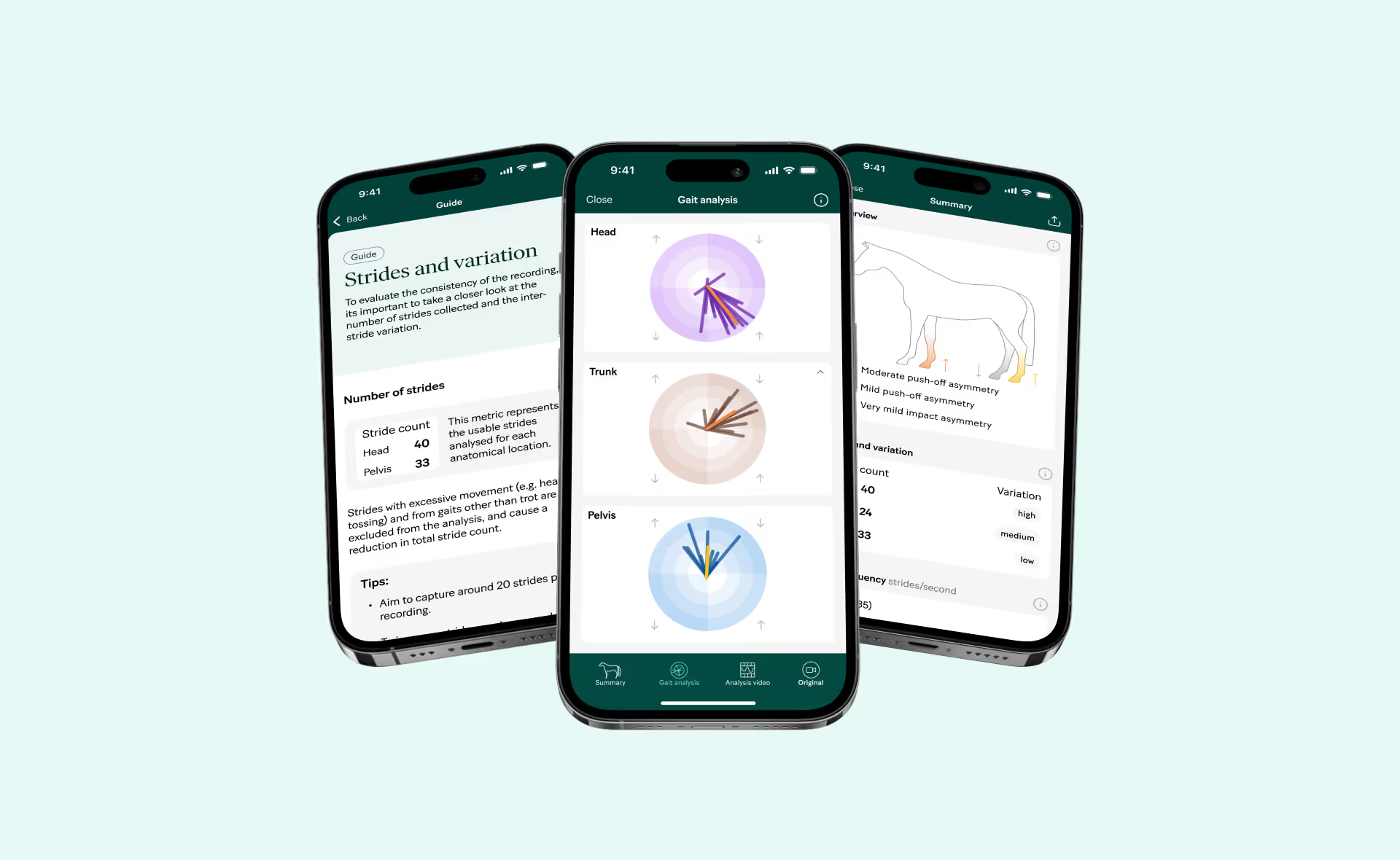
Each new recording now includes vertical displacement measured at the trunk, shown alongside head and pelvis movement. This provides an additional reference point when assessing gait and interpreting asymmetry patterns.
By covering all three vertical movement centres — head, trunk, and pelvis — Sleip gives you a fuller picture of how the horse distributes weight and compensates for pain or dysfunction. This supports clearer interpretation and more confident identification of the primary source of lameness.
“Adding the trunk doesn’t change your workflow — but it adds context and can sharpen your insight, especially in complex lameness cases such as horses with multi-limb lameness”, comments Filipe Braganca, biomechanics researcher and product manager at Sleip
Trunk data can be especially helpful when:
When assessing weight-bearing lameness in horses, you’ll often see compensatory movement patterns. These can be misleading, and distinguishing between primary and compensatory asymmetry isn’t always straightforward. Trunk asymmetry provides an additional reference point to help determine whether the asymmetry you're observing is primary or a compensation. Trunk asymmetry offers an additional piece of the puzzle, helping you determine whether the asymmetry you're seeing is primary or compensatory.
Horses with primary forelimb lameness often display a compensatory pelvic asymmetry, mimicking a diagonal hindlimb push-off lameness. Sometimes this also appears as an ipsilateral hindlimb impact asymmetry. In such cases, trunk impact asymmetry is typically seen in the same direction as the head, supporting the interpretation that the pelvic asymmetry is secondary.
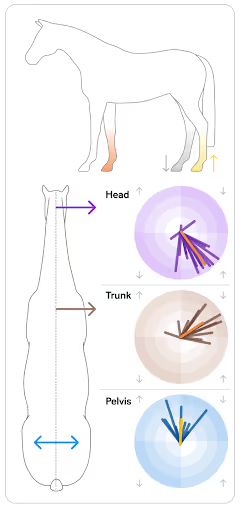
A primary hindlimb lameness often results in a compensatory ipsilateral head asymmetry. This can resemble an ipsilateral forelimb lameness in both impact and push-off phases. When this pattern appears, trunk impact asymmetry is typically in the opposite direction to the head, again helping to distinguish primary from compensatory signals.
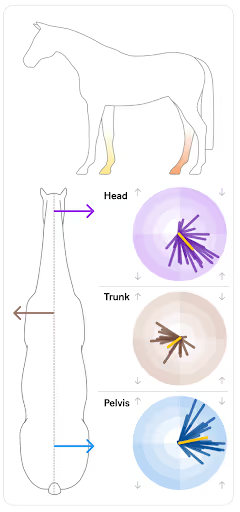
This feature is available exclusively to veterinary users. Trunk data is included in the latest version of Sleip for vets (version 5.10.0 and above). Note that only recordings made after the release date will include trunk data. Simply update your app and start recording — no extra setup is required.
To learn more about interpreting trunk asymmetry, go to the summary or gait analysis tabs and click the “i” icon for guidance.
Have questions or feedback? We’d love to hear from you.