Computer vision
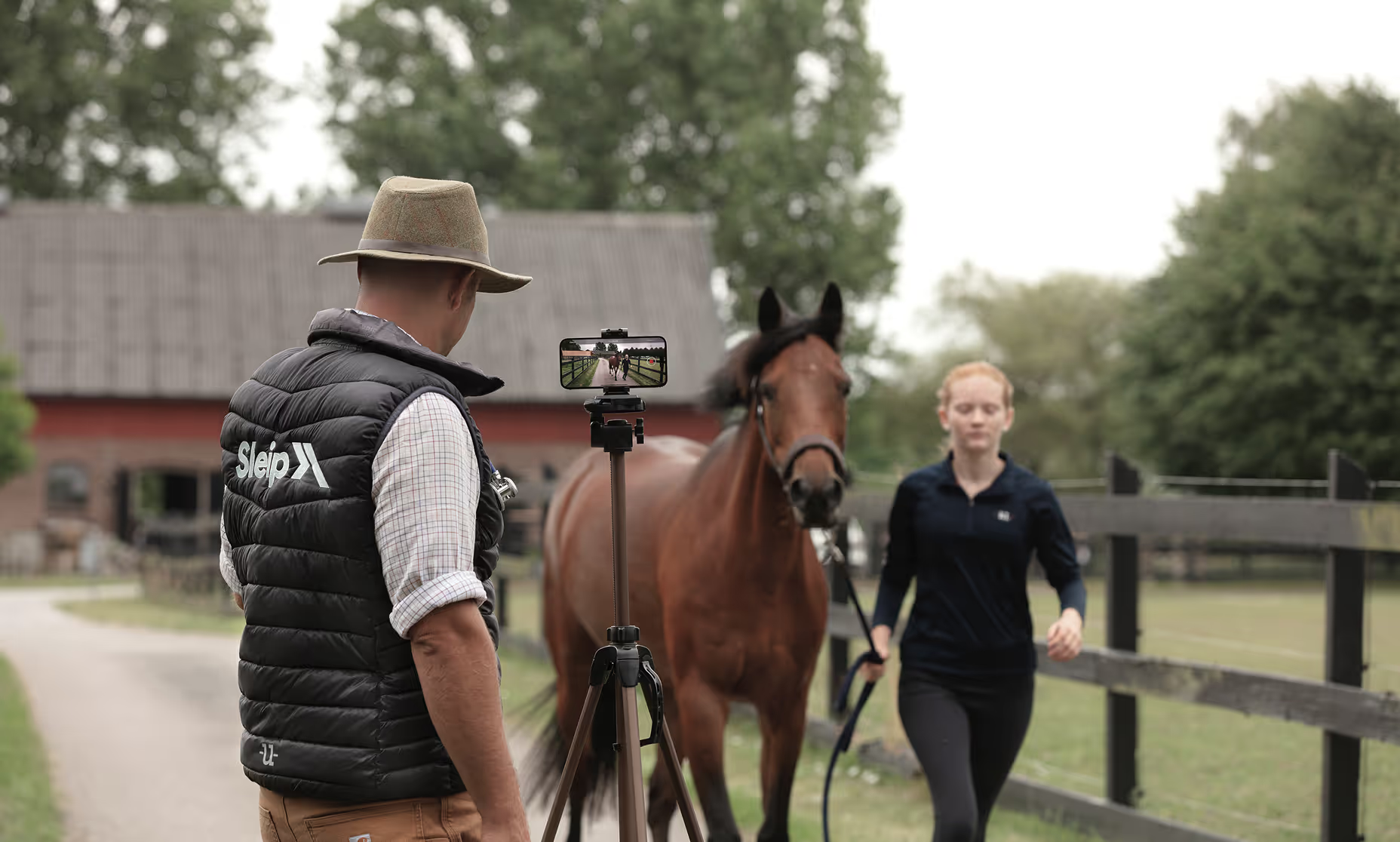
Sleip is a video-based gait analysis tool that uses computer vision (image processing) to detect and track the horse and key anatomical points during trot. The image processing produces well-defined measurement data, such as anatomical keypoint positions and gait classifications.
These measurements are then used to calculate gait asymmetry through established and scientifically validated equine biomechanical principles. Sleip does not use generative AI or large language models and does not produce or provide clinical diagnoses.
100+
anatomical
key points
The app uses computer vision to track the moving horse, quantifying gait asymmetry and detecting even small irregularities, stride-by-stride with analysis results in minutes.
Head
Trunk
Pelvis
Sleip measures asymmetries in the vertical displacement of the horse’s head, trunk (withers), and pelvis at trot. These movements are closely linked to limb motion and are recognised indicators of weight-bearing lameness. When differences appear between the left and right sides, they may show that the horse is unloading a painful limb to reduce strain.
Gait classification
For each frame of video the gait is classified to ensure that only quality strides in trot are included in the analysis.
Rider
detection
Sleip automatically detects if there is a rider on the horse to highlight possible impact on asymmetries.

Anatomical scaling
Asymmetry values are scaled based on the horse’s anatomical dimensions, which are detected by the AI, meaning severity of asymmetries are automatically adjusted relative the size of the horse.
Data quality
The number of strides used for the analysis, along with the consistency of the strides are parameters that are logged. This provides you with information on the quality of the data collected in your recording and the reliability of the analysis.