.avif)
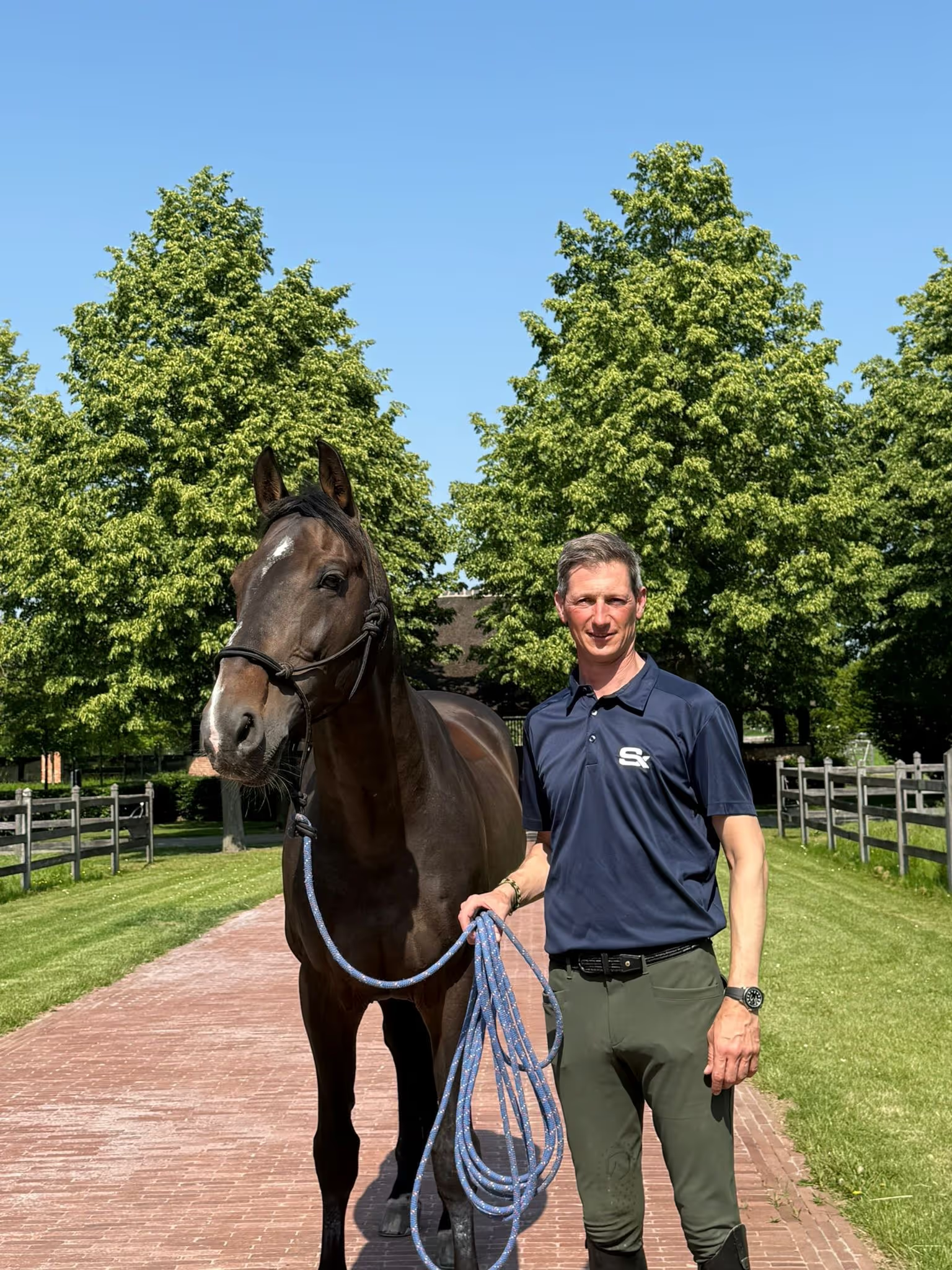
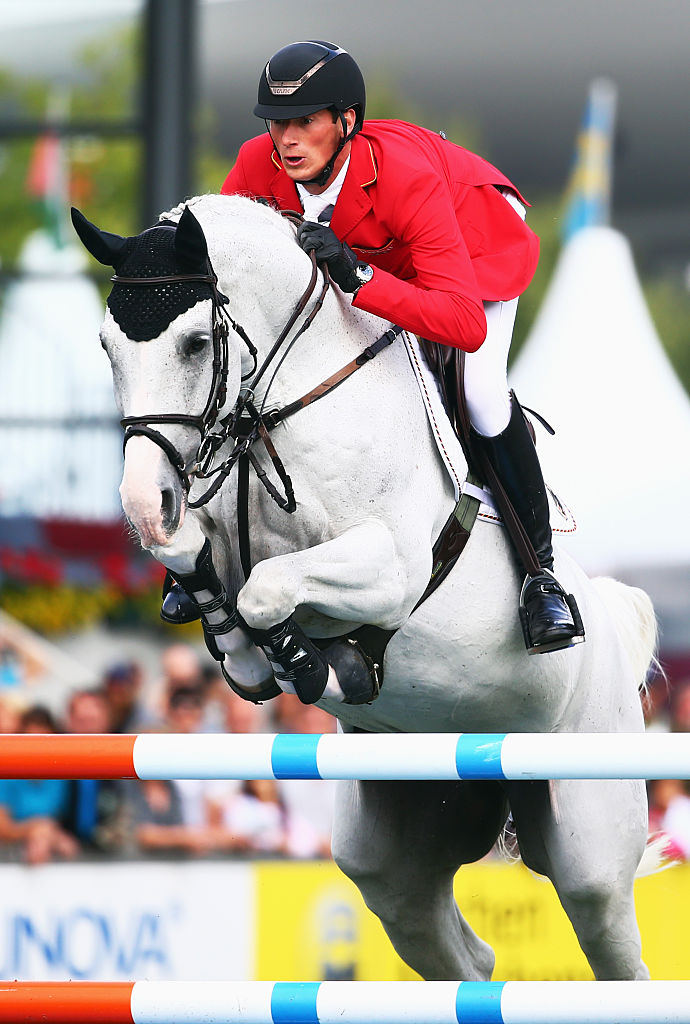
A few days before the Nations Cup in Rotterdam earlier in his career, Daniel Deusser had a feeling something wasn’t right with his horse Cornet D'Amour.
“I rode him on Monday, and he really didn’t feel fresh enough,” he says about Cornet D'Amour. “He felt like a weak horse that day.”
Concerned, he went to the owner and suggested they might not go. They went anyway. That weekend, Cornet D'Amour jumped double clear in the Nations Cup and finished second in the Grand Prix.
“I looked a little bit like an idiot,” Daniel says, laughing.
It’s a story that captures the reality of top-level horse management: even the best riders in the world don’t always get it right. And more importantly, feeling alone is not always enough.
At the highest level, success often comes down to details most people never see. For Daniel, assessing a horse starts long before training begins, in the box: picking up the legs, checking for heat, swelling, or subtle differences, and then walking to the arena and feeling how the horse moves from the first steps. These small signals matter because long before a horse shows clear lameness, something can already feel different: a little more stiffness, a shorter step, or a change in rhythm.
But while experience and daily feel are essential, they are not always enough to explain, or prove, what is going on. That is where objectivity adds value.
One of the more nuanced points Daniel makes is that not every asymmetry needs to be “fixed.” Some horses simply move the way they move.
“If it doesn’t get worse after jumping, after a show, or with travel or stress, and it stays the same, that’s also a good thing,” he says. “Maybe some horses are just the way they are.”
In a world often driven by the pursuit of perfection, this mindset matters. For Daniel, the goal is not a perfectly symmetrical horse, but a clear understanding of what is normal, and whether a pattern is stable, manageable, or changing. This is where objective monitoring becomes valuable: not only to detect change, but to confirm when something stays consistent.
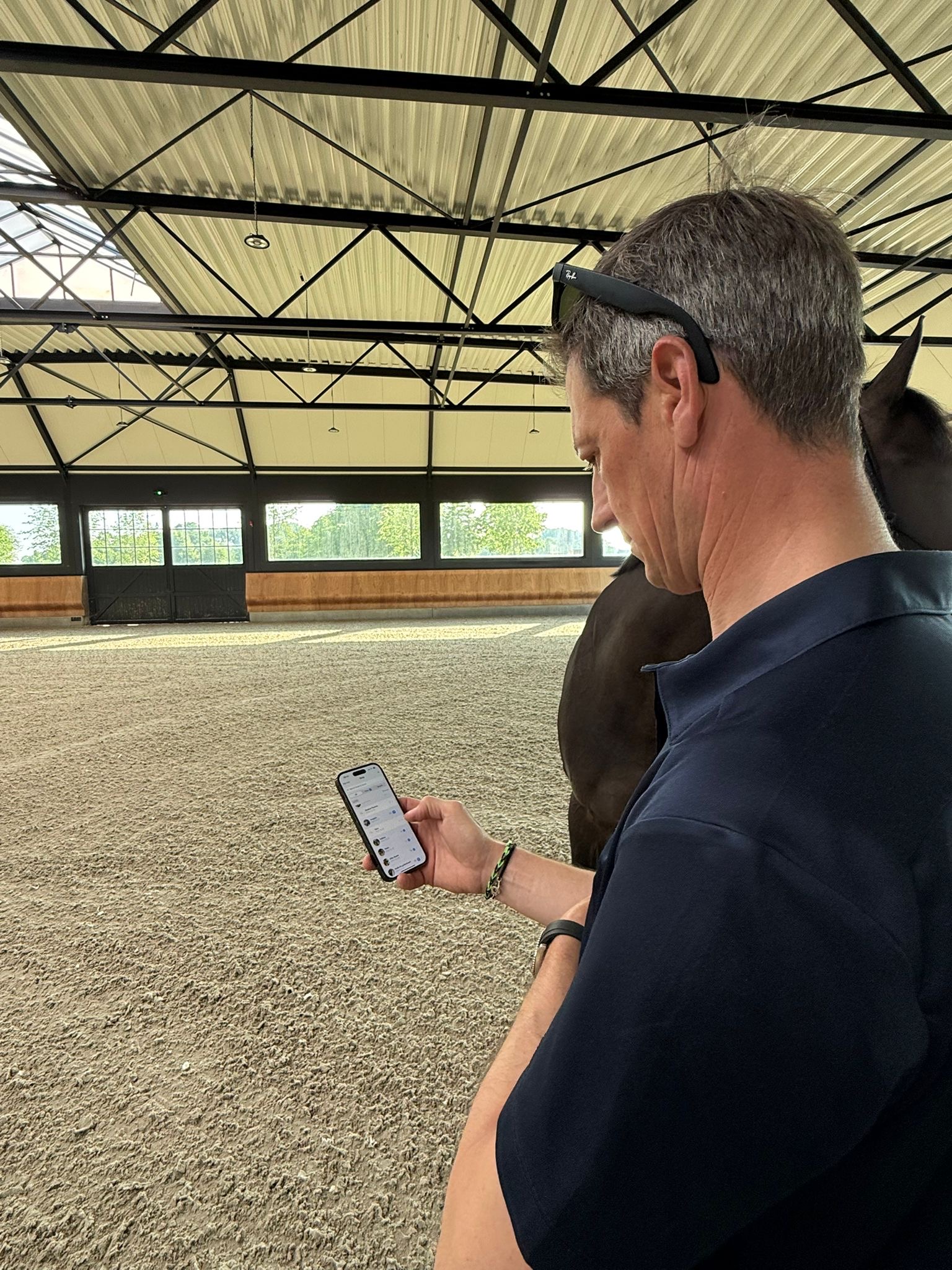
Daniel speaks openly about his relationship with veterinarians, and his view is refreshingly balanced. He expects expertise, but also dialogue. Objective data can play an important role here. When rider, veterinarian, and data don’t fully align, it doesn’t create conflict; it creates discussion.
“It’s a discussion. Maybe one of them is more right than the other.”
That perspective reflects modern equine care at its best: not rider versus vet, not feeling versus data, but all three working together.
When asked what horse owners can do better, Daniel’s answer is simple: be interested.
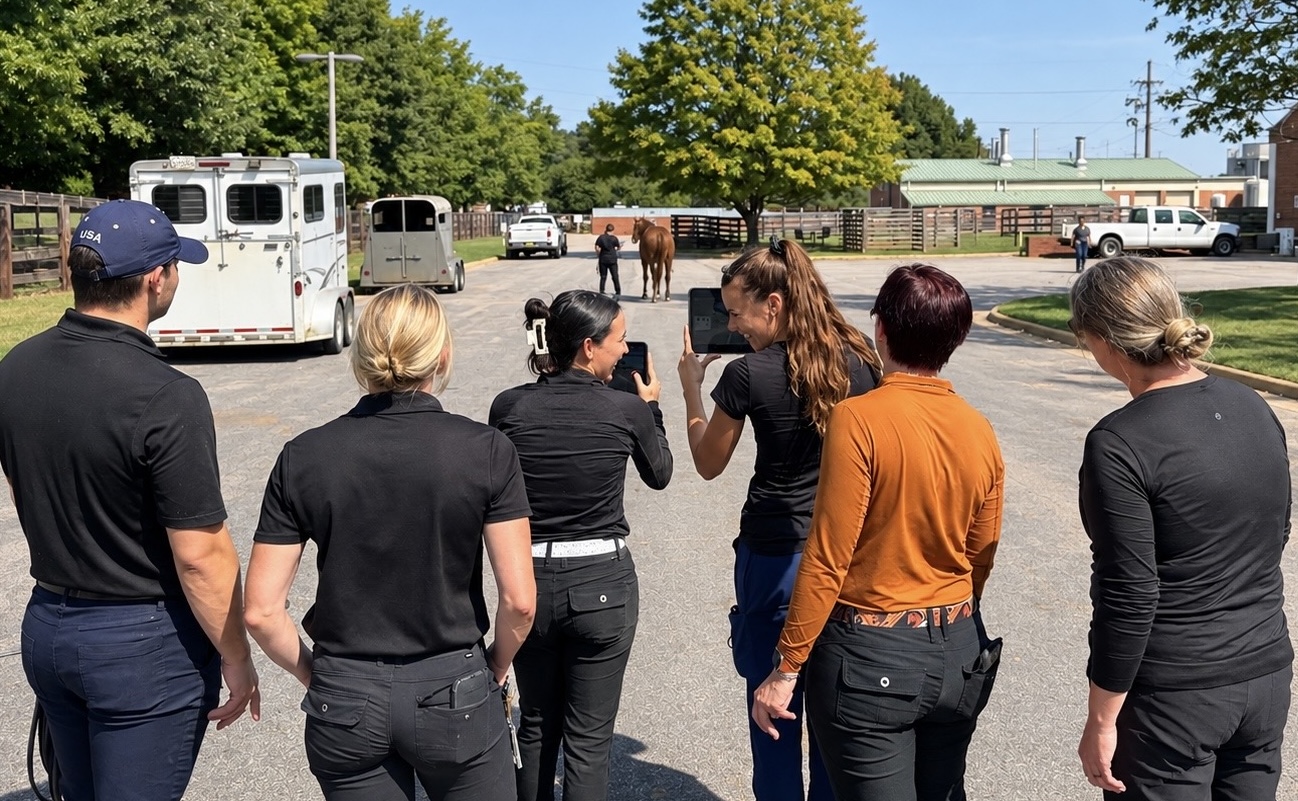
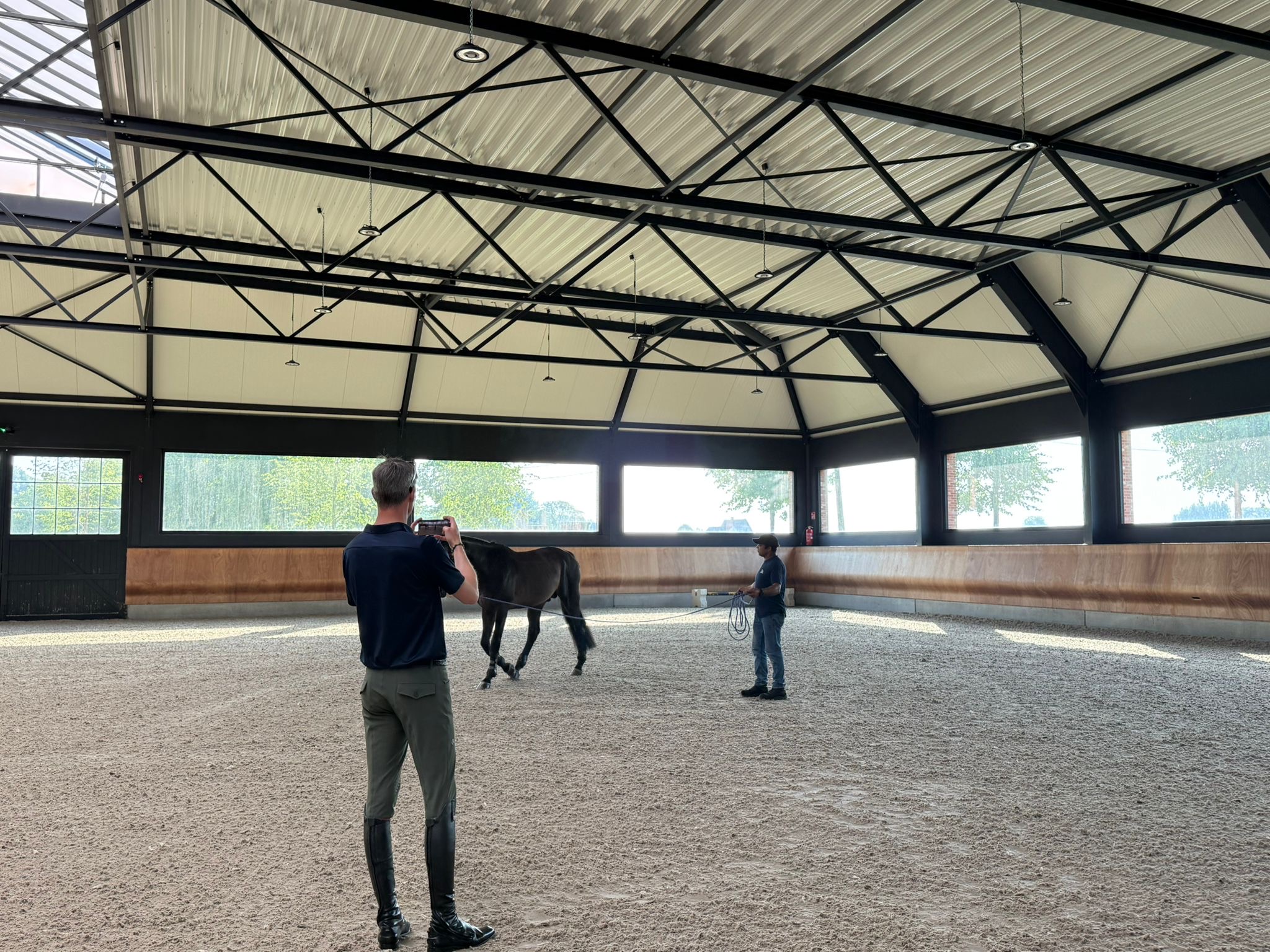
“Many people just get on and ride,” he says. “But longe your horse for a few minutes first. Watch how it moves. Look at it. Does what you see match what you feel when you ride?”
For him, the difference comes down to observation.
“Every moment with the horse tells you something,” he says — “but only if you are paying attention”.
Daniel returns repeatedly to the importance of early detection.
“If you have the feeling your horse is not 100% right, you should not continue. You should not jump. Those are the moments when injuries really happen.”
At the same time, he is realistic about how difficult that decision can be. Owners have expectations, veterinarians may not always agree, and the horse may appear sound. And sometimes, as with Cornet Amour, the feeling turns out to be wrong. That doesn’t make the feeling irrelevant — it’s where the right questions begin.