My OA strategy
Leading equine veterinarians share their strategies for managing osteoarthritis. In this video series orthopaedic experts walk through how they diagnose, treat, and monitor OA in different joints—offering actionable insights from real clinical experience.
Coffin joint
For Dr Angelica Enström Verbaan, early detection of OA in the coffin joint is best supported by high-quality imaging. Contrast-enhanced CT is often her go-to, offering a detailed view of cartilage changes and joint structure helping to evaluate osteoarthritis
Stifle
Dr. Brenda Hoogelander shares how her approach to managing osteoarthritis in the stifle has evolved —from relying on injections to prioritizing tailored rehabilitation. She now works closely with physiotherapists and riders to build joint stability through exercise, movement, and long-term planning.
Hock
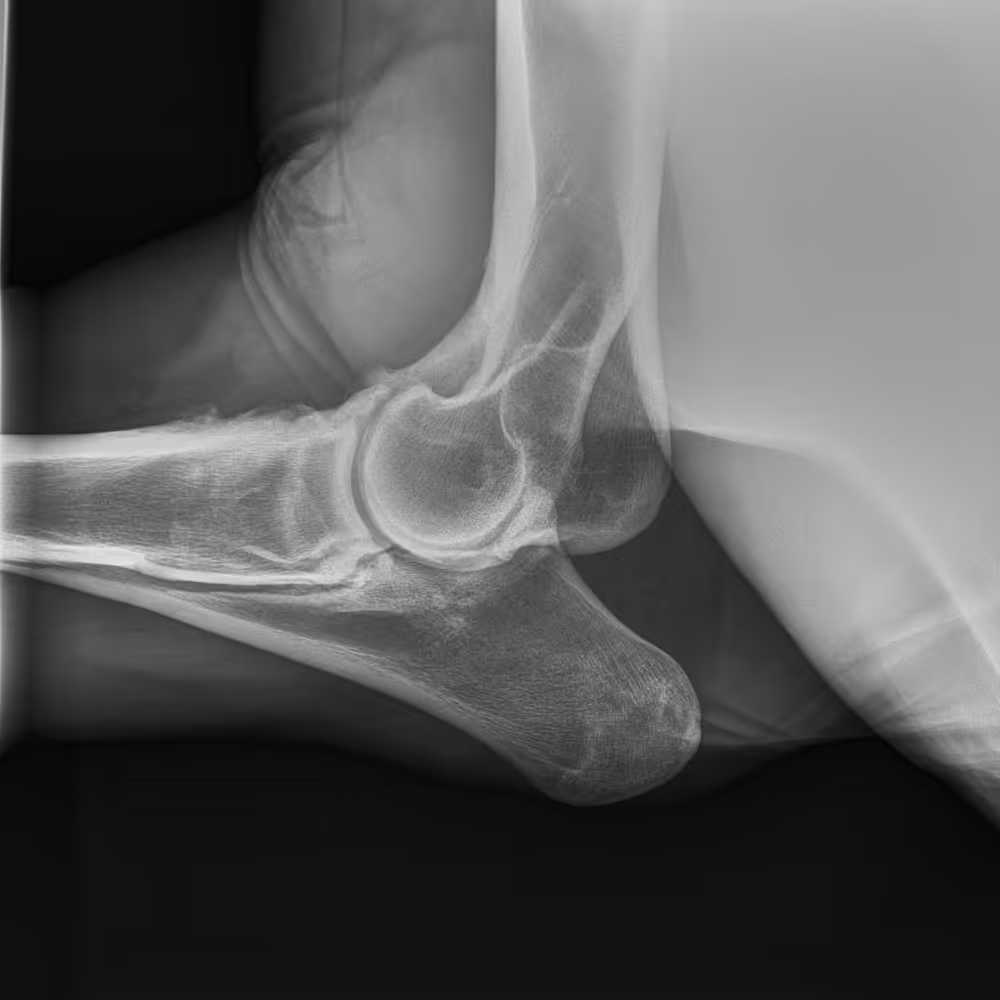
For Dr. Rosalie Bos, successful management of osteoarthritis in the hock calls for a full picture of both bone and soft tissue. She routinely combines ultrasound and X-ray to make more informed treatment decisions and highlights proper trimming and exercise control.
Neck
Dr. Erik Bergman discusses his structured approach to managing neck-related OA. He often uses intra-articular orthobiologics alongside physiotherapy and long-term planning. Equally important, he says, is educating the horse owner about the biomechanics involved.
Pastern
Dr. Kurt Selberg presents a clear two-phase plan for managing OA in the pastern: first interrupting the pain cycle, then gradually rebuilding the horse’s strength and coordination. His approach includes both medical treatment and structured rehab strategies.
Carpus
Dr. Maria Terese Engell outlines her typical first steps when treating OA in the carpus — often beginning with corticosteroids or hyaluronic acid. If the horse doesn’t respond as expected she can quickly adapt her approach.
Fetlock
Dr. Frans van Toor outlines how he selects treatment options for the fetlock based on OA stage and case history. For acute, first-episode lameness, he typically chooses corticosteroids. In more chronic presentations, he may opt for hyaluronic acid or alpha-2, always paired with a structured rehabilitation protocol.
Video 8
XXXX
Video 9
XXXX
Dr. Lisa Fortier

Explore

Stages of OA

Explore

Case study

Explore