Stages of OA
It is well established that OA is multifactorial, progressive, and affects every component of the joint. The structural changes, biochemical activity, and clinical pain do not always align — a horse may show significant discomfort before radiographic change, or remain sound despite visible damage. Because of this, there is no universal staging system for equine OA.

The framework below does not aim to classify severity, but to provide a conceptual overview of how joint tissues and clinical signs can evolve over time — helping veterinarians and horse owners understand where early detection, objective gait data, and management can make the greatest impact.
1. Preclinical change

Inside the joint

Early and often-reversible processes occur at the cellular and biochemical level. This may include low-grade synovial inflammation, early cartilage matrix softening, or microdamage in the subchondral bone. These changes are usually invisible on imaging and may occur independently or together.

Clinical presentation
Typically the owner does not perceive overt lameness, though there may be subtle stiffness, performance decline, or mild, repeatable asymmetry detectable through objective gait analysis.

Management goal
Early recognition and load management. Monitor over time to establish a baseline and intervene promptly if asymmetries progress.

In summary
Microscopic and biochemical changes are present but not yet visible clinically — a critical window for early detection and prevention.
Inside the joint. To the left: a healthy joint. To the right: a joint with severely progressed ostearthritis.  
2. Early structural adaptation

Inside the joint

Local inflammation becomes more sustained, and the joint begins to remodel. Cartilage shows surface fibrillation, and the subchondral bone may display early sclerosis. The synovial membrane can thicken and produce altered synovial fluid.

Clinical presentation
Mild or intermittent lameness, often resolving with rest or warm-up. Palpable effusion or mild response to flexion may be present.

Management goal
Target inflammation to interrupt progression. Modify workload, consider intra-articular therapy if indicated, and track response objectively over time.

In summary
Inflammation and early tissue adaptation become apparent — the disease is still manageable, and targeted intervention can slow progression.
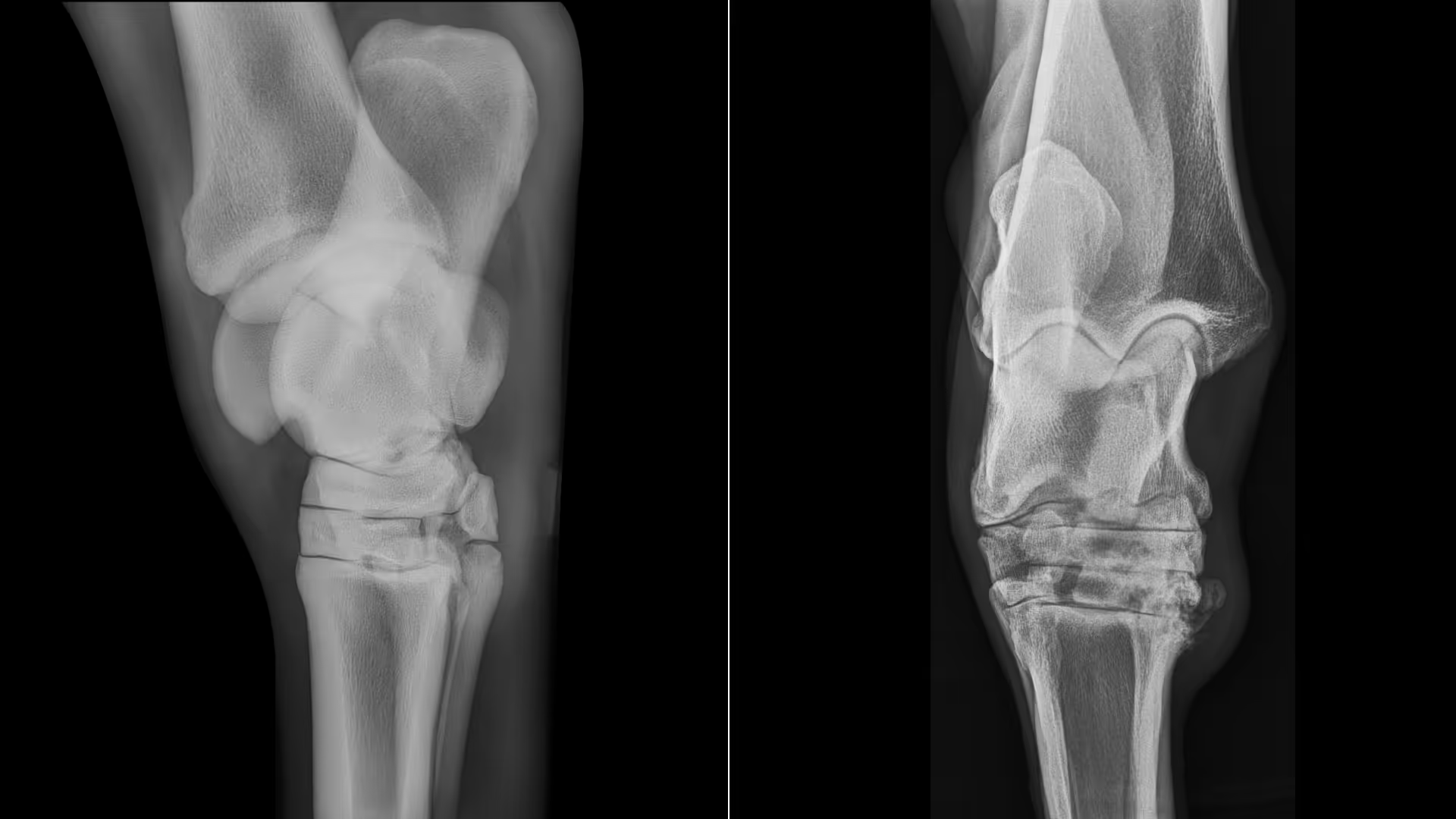
To the left: a healthy fetlock joint. To the right: severe OA of the tarsometatarsal and distal intertarsal joints, with a “medial buttress” of new bone formation, narrowed joint spaces, and subchondral bone loss.
3. Established joint degeneration

Inside the joint

Degenerative changes are structural and visible on imaging: cartilage erosion, osteophyte formation, and increased subchondral bone density. The joint capsule and periarticular soft tissues may become fibrotic.

Clinical presentation
Consistent or recurrent lameness, reduced range of motion, and stiffness after rest. Radiographic and gait analysis findings begin to correlate more clearly.

Management goal
Preserve mobility and comfort, reduce inflammation, and slow structural progression. Modify work programs and combine medical, mechanical, and rehabilitative strategies.

In summary
Irreversible structural changes are established, but function can still be maintained through careful management.
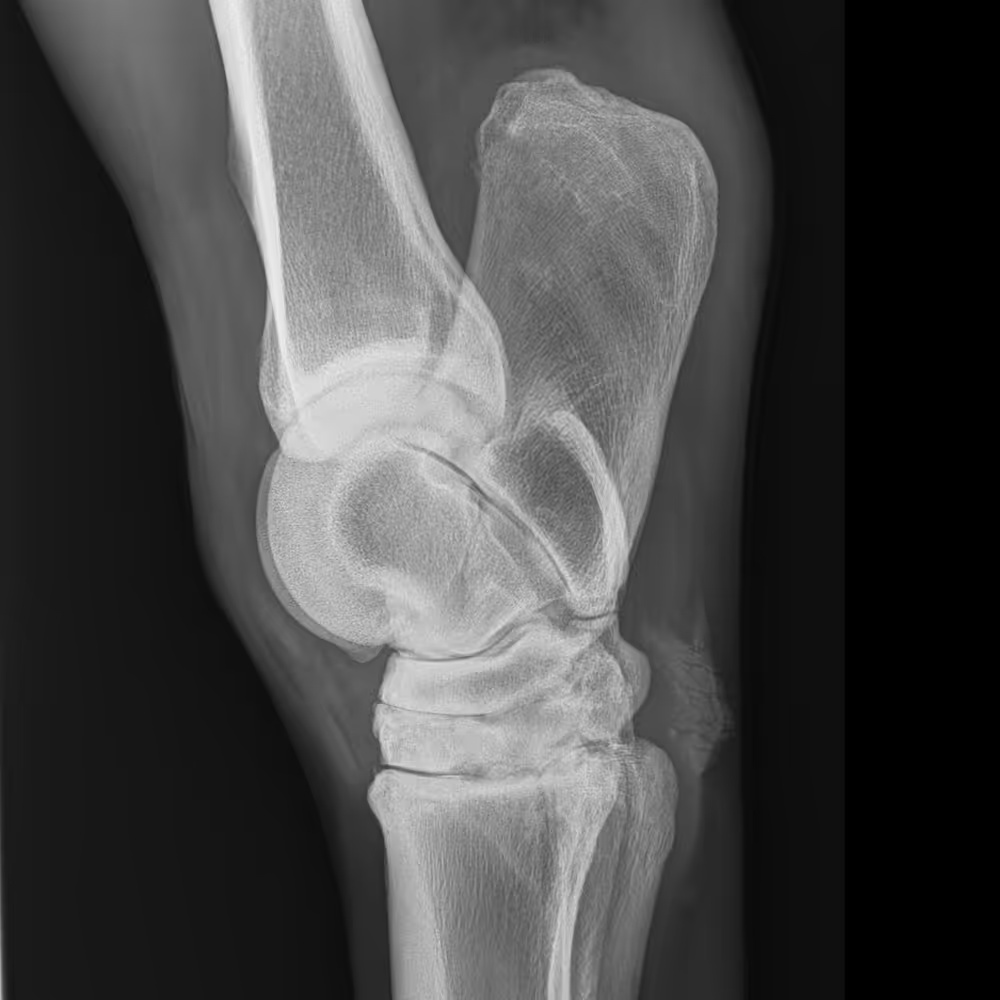
Severe OA of the distal intertarsal joint, progressing to ankylosis. Mixed subchondral bone loss andsclerosis are evident.
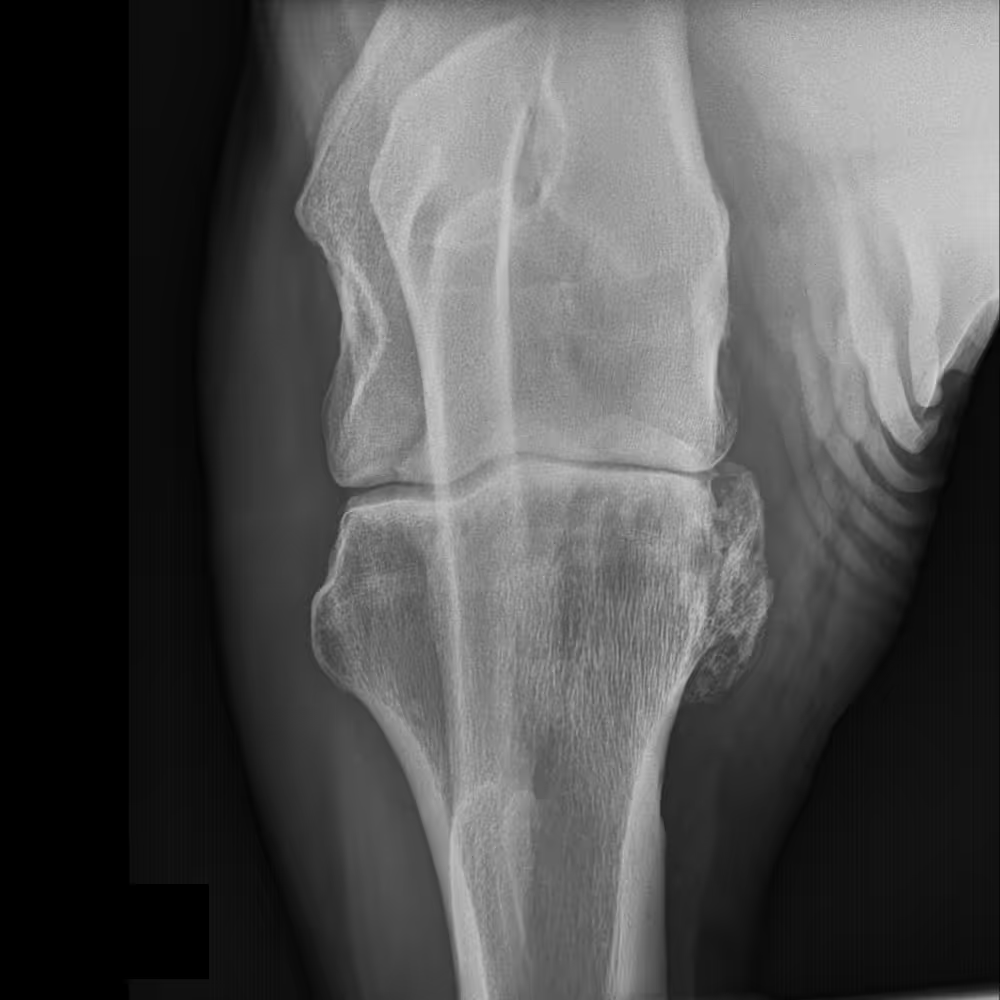
Severe OA of the distal intertarsal and tarsometatarsal joints, with significant joint space narrowing andsubchondral bone changes (both sclerosis and loss).
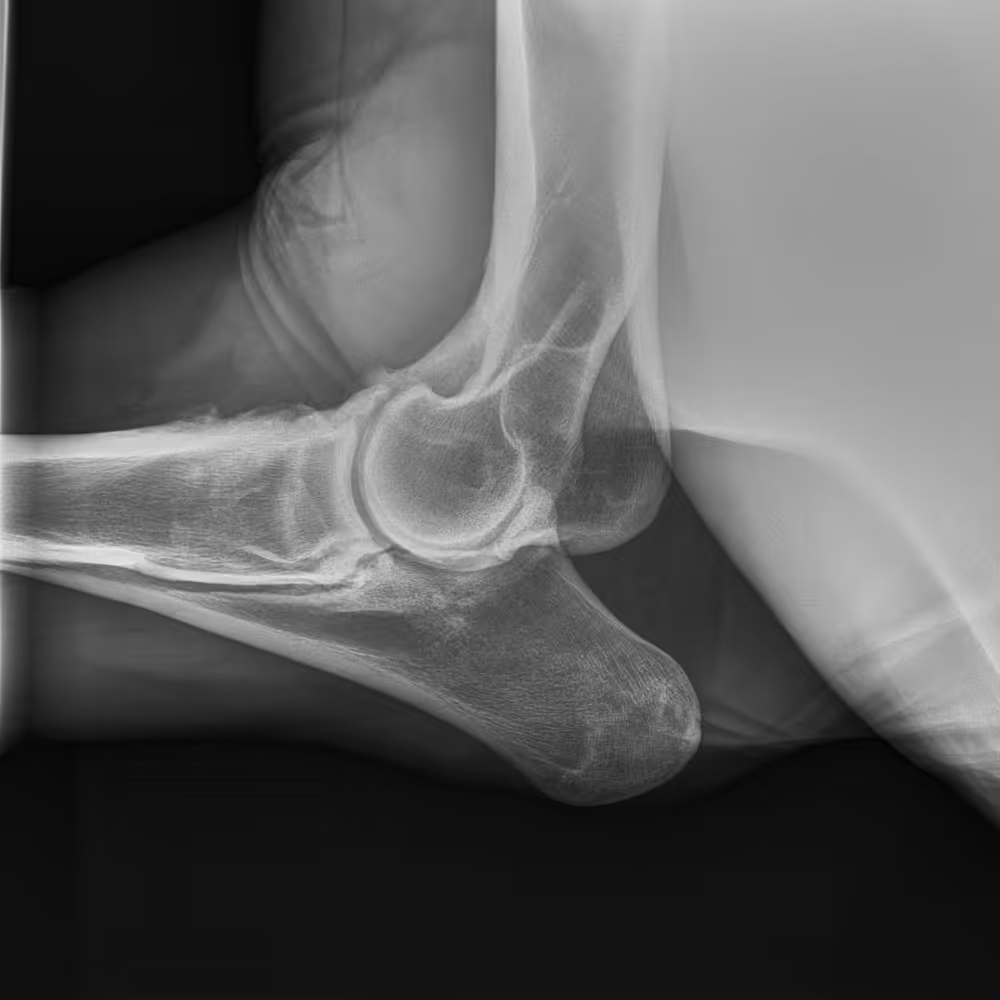
Severe OA of the elbow, with obvious new bone formation medially and cranially, subchondral bone density changes, and a narrowed joint space medially.
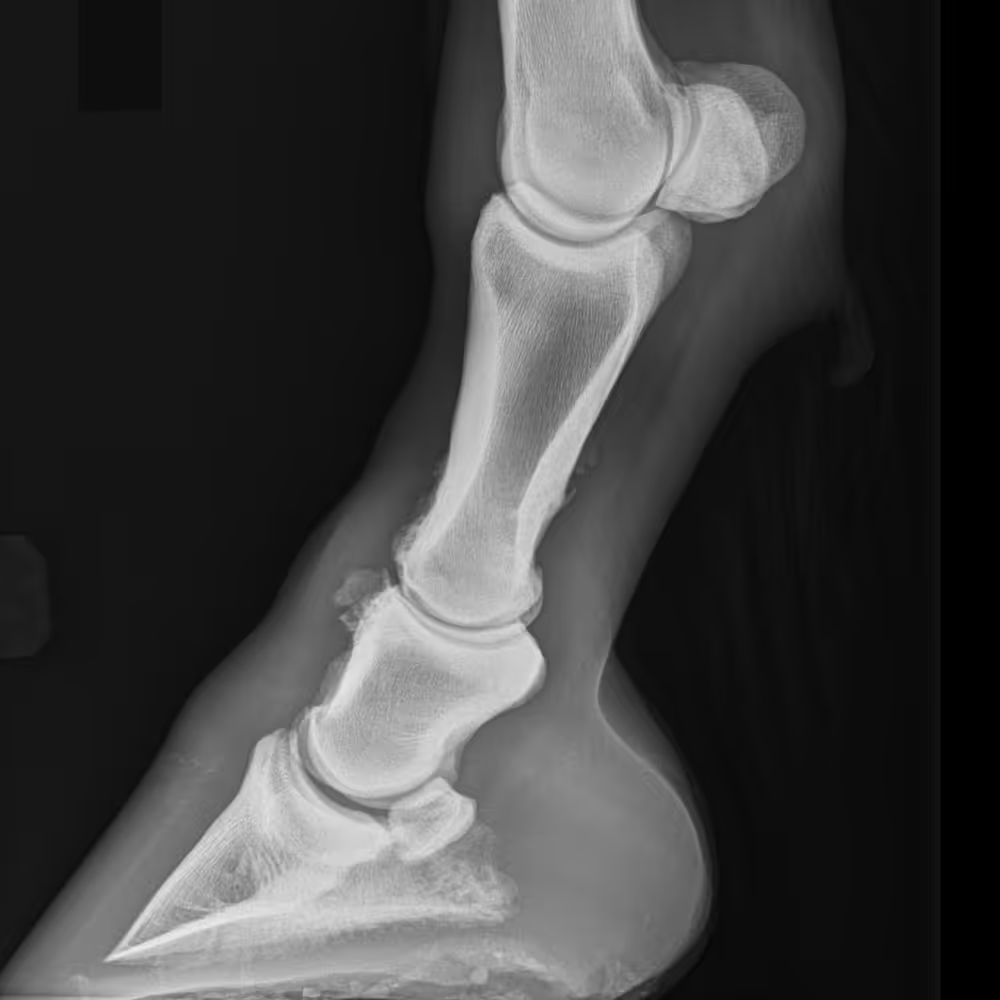
Severe OA of the proximal interphalangeal joint, with new bone proliferation dorsally and laterally, and joint space narrowing laterally.
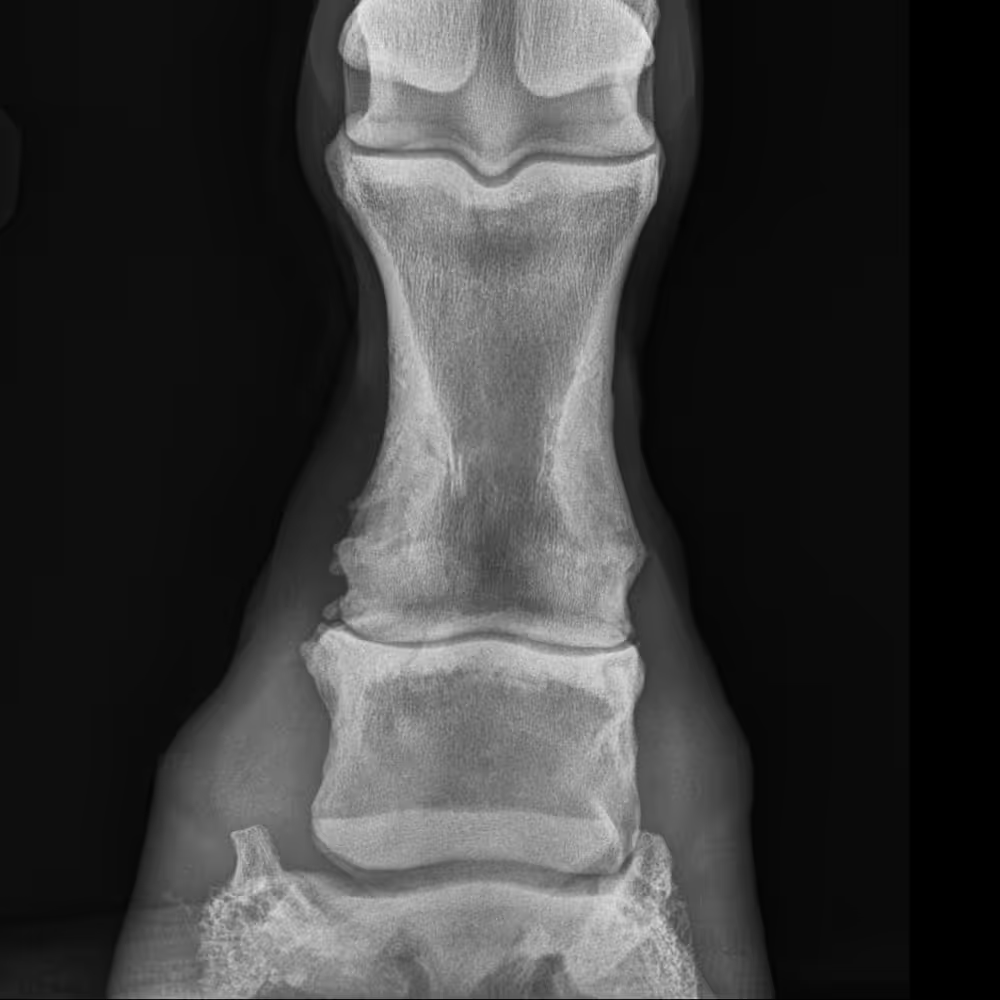
Moderate OA of the distal and proximal interphalangeal joints, with loss of definition of dorsal joint margins due to osteophyte formation and bone remodeling.
4. Chronic OA and functional adaptation

Inside the joint

Advanced, irreversible changes with widespread cartilage loss, subchondral bone remodeling, and joint capsule fibrosis. Pain may now arise from multiple tissues, including bone and periarticular structures.

Clinical presentation
Persistent lameness, compensatory gait patterns, and declining function.However, pain level can vary widely and is not always proportional to the degree of joint change seen on imaging.

Management goal
Focus on long-term comfort, function, and welfare. Adapt management to the individual horse’s clinical response and quality of life

In summary
At this stage, the horse and its musculoskeletal system adapt to chronic pain and altered joint mechanics, often through compensatory movement patterns.
Dr. Lisa Fortier

Explore

Case study

Explore

My OA strategy

Explore