Fit to compete

Welfare protocols

Objective gait data supports transparent pre-race decision-making and documentation. It adds an extra layer of insight —without replacing hands-on exams and veterinary expertise.

Pre-competition baselines

Not all asymmetries reflect injury. Sleip helps establish individual baselines, making it easier to identify meaningful changes. This supports early detection of potential issues and gives regulatory vets clearer context when assessing movement on race day.

Shared insight across teams

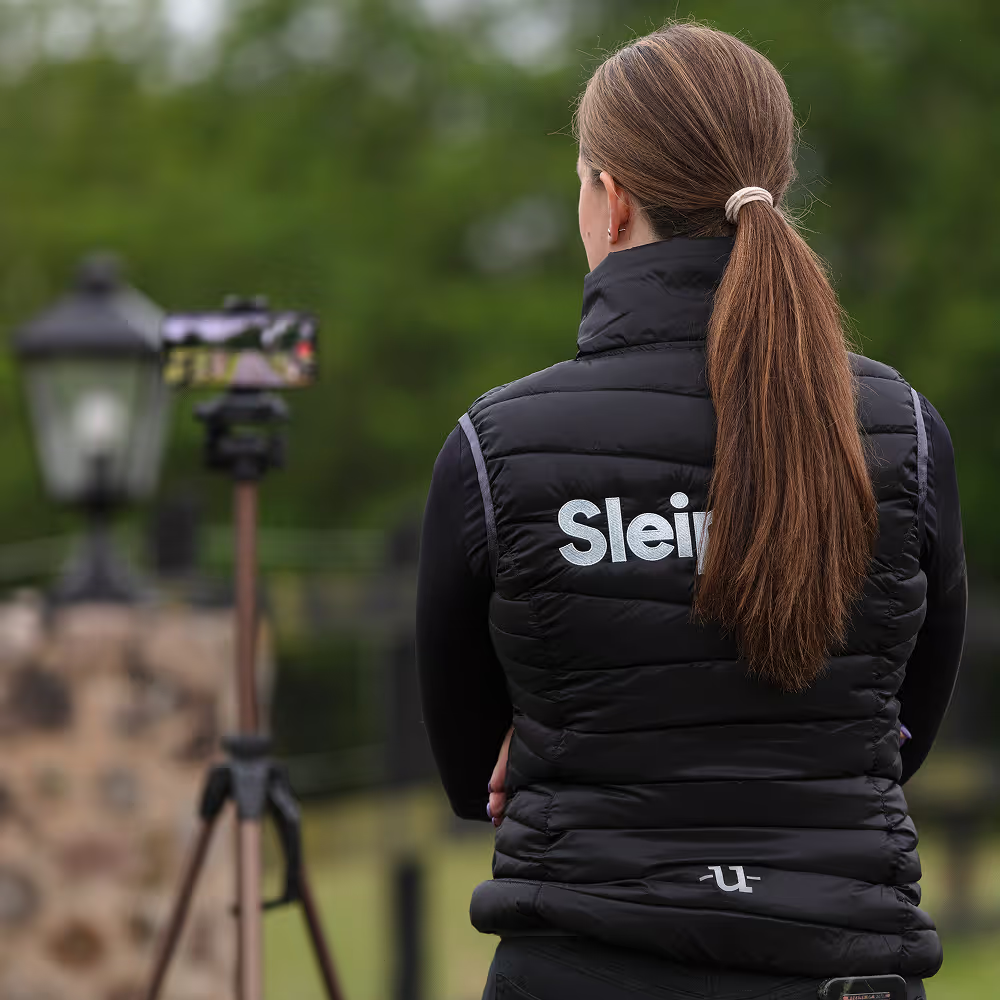
Regulatory vets can invite trainers to submit Sleip recordings as part of pre-competition assessments. When trainers, home vets, and officials work from the same objective data, it strengthens communication and shared decision-making.
Collaborate as a team
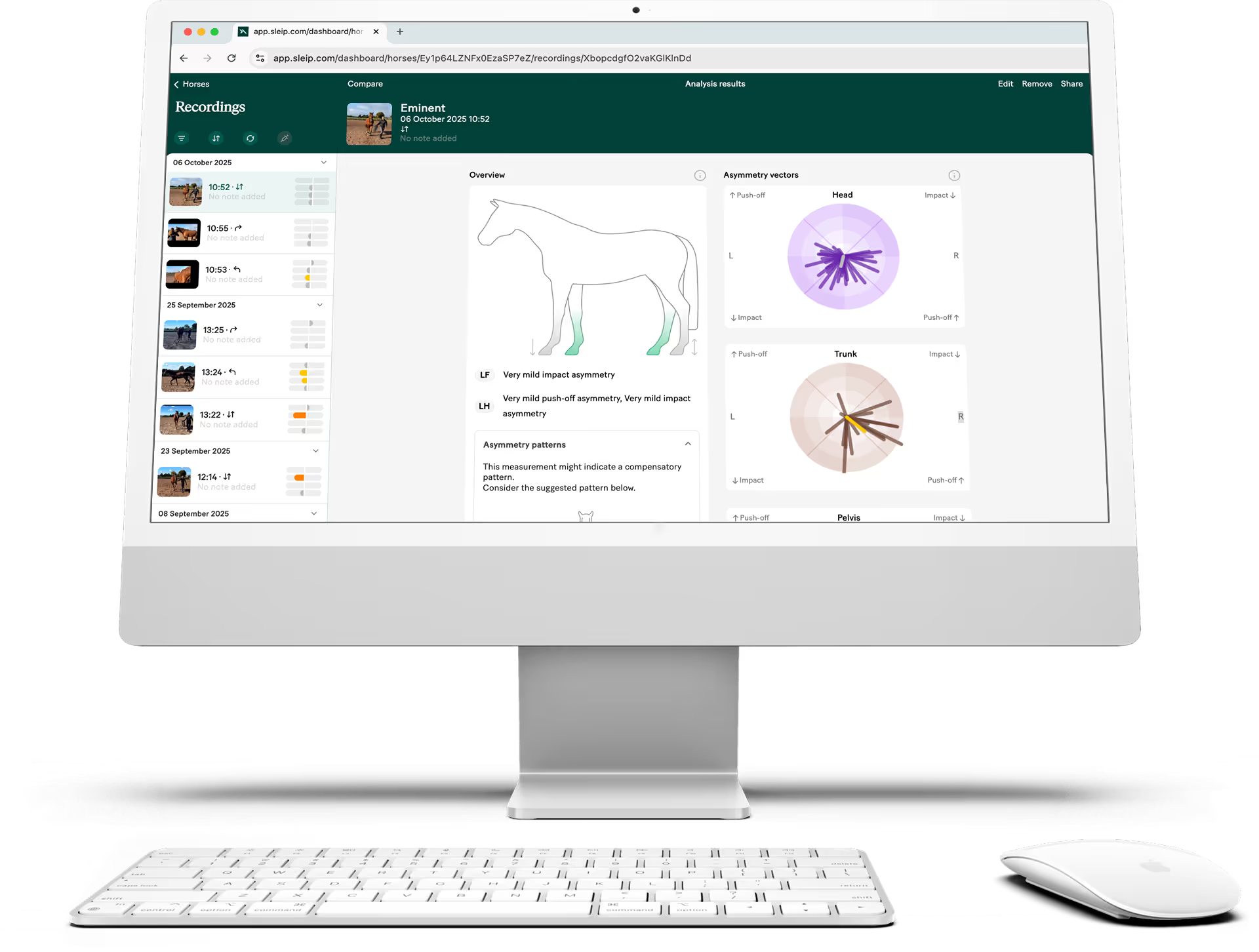
Sleip Desktop lets you log in to Sleip from any computer or tablet. Manage horses, view and edit results, and add notes and tags to keep your database organised.

Give your entire clinic or performance team access to results from one shared platform. Review cases together in-office or remotely — on a large screen or from your desk — for efficient collaboration.

Jockey Club of Saudi Arabia

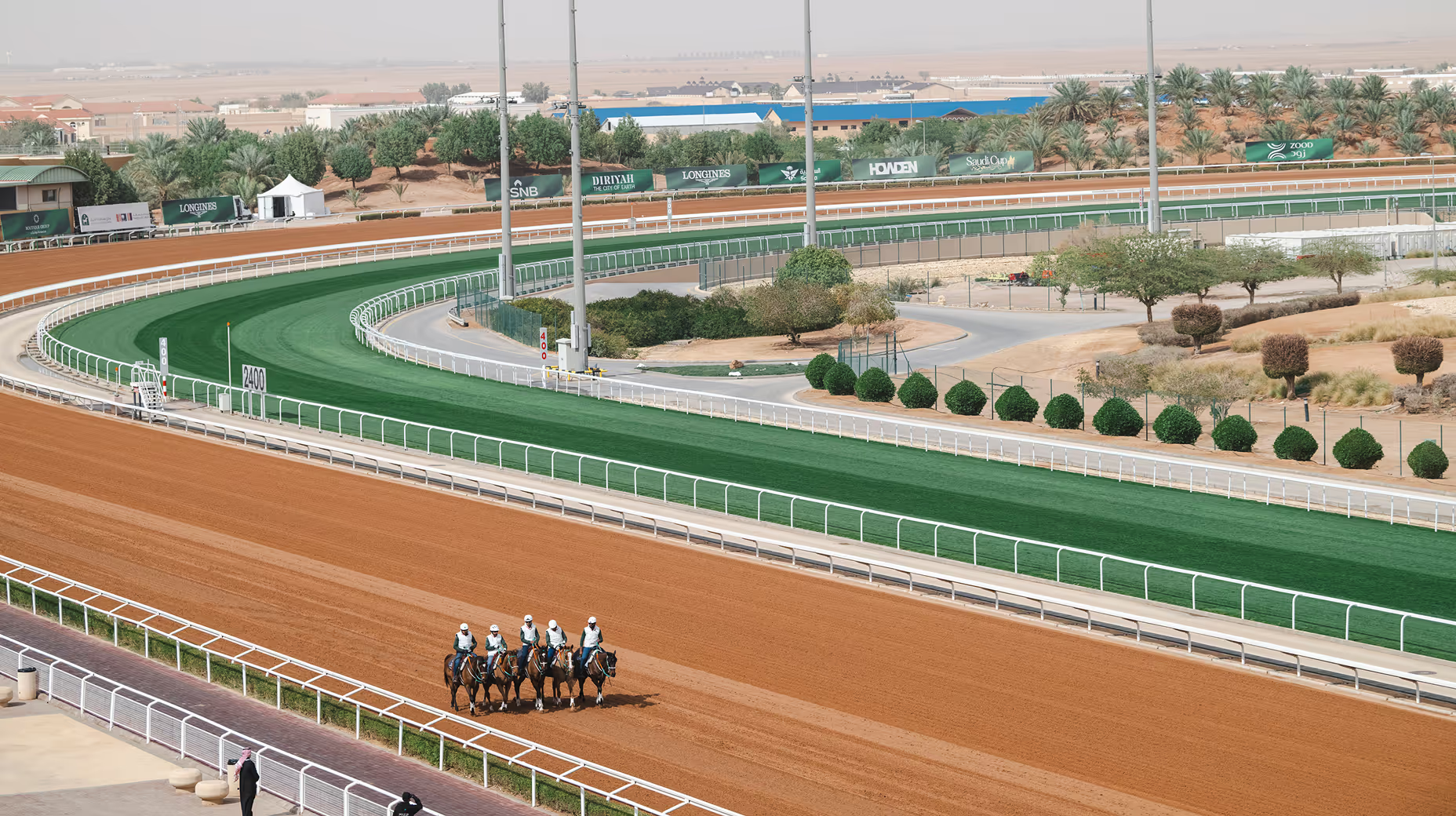
Ahead of the 2025 Saudi Cup, Sleip was used to support assessment with longitudinal gait data in the lead up to the race. Not to replace clinical exams, but to support consistent, evidence-based calls.

Case
4000
horses in training
The Jockey Club of Saudi Arabia began implementing Sleip in late 2024, introducing objective gait analysis into a racing population of over 4,000 horses.
350+
entries assessed
Head of Veterinary Services Dr. Toby Koenig and his team used Sleip to gather longitudinal data on both domestic and international athletes ahead of the 2025 Saudi Cup.
Multiple
recordings per horse
All international runners submitted several pre-travel recordings using Sleip’s remote upload function, with further assessments on arrival.
Toby Koenig
Director of Veterinary Services, Jockey Club of Saudi Arabia
BVSc
“Sleip doesn’t tell us whether a horse should race—it augments our decision-making. We combine longitudinal gait data with clinical exams, veterinary history, and physical inspection to make the safest, fairest call. This kind of monitoring gives us confidence. If a horse presents the same way across multiple recordings—even with some asymmetry—we can understand that pattern, rather than react to a one-off. During Saudi Cup preparations, both domestic and international horses were recorded multiple times, with international entrants submitting pre-travel recordings via remote upload. One case drew significant commentary on social media around an apparent hindlimb asymmetry seen during trackwork. Thanks to serial assessments using Sleip, we knew the horse’s gait history and cleared it to race, safely and competitively. There’s no global standard yet, but we’re seeing real international momentum toward shared understanding. Longitudinal gait analysis is one more piece of the puzzle—but it’s helping shift the conversation toward earlier detection, more consistent regulation, and better welfare outcomes.”
More use cases
Lameness diagnostics

Explore

Rehabilitation monitoring

Explore

Prevention

Explore

Free trial
Sign up for a 14 day free trial.
FAQ

Explore

User guides

Explore

Articles

Explore