Lameness diagnostics
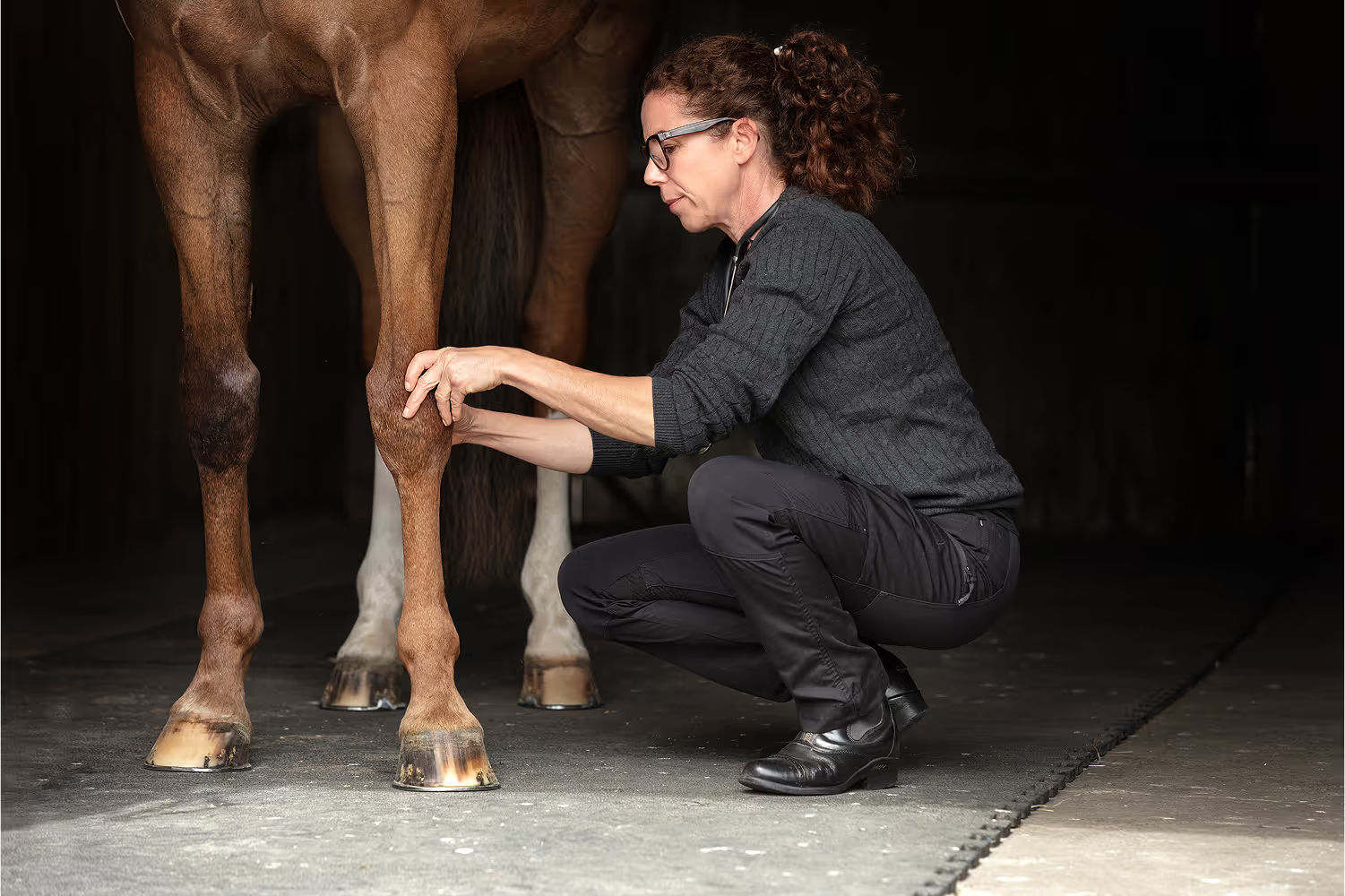
Veterinarian crouching and examining a horse's front leg in a dimly lit stable.

Subtle lameness & complex cases

Objective gait data helps uncover subtle or compensatory asymmetries that can be difficult to detect visually. It adds a layer of precision to clinical exams, particularly in multi-limb or shifting lameness cases.

Before and after diagnostic analgesia

Compare changes in asymmetry values to support block interpretation and refine localisation.

A modern diagnostic workflow

Integrate objective gait analysis alongside your visual assessment and clinical exam to add repeatable, quantifiable data and raise the bar on precision and documentation.
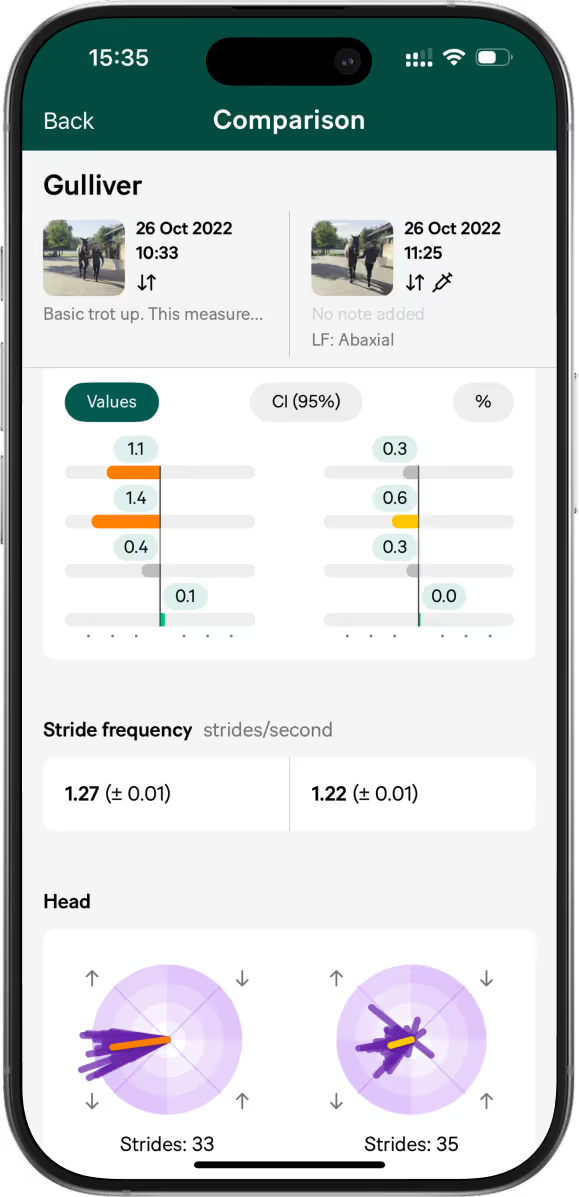
Mobile screen showing comparison of horse gait analysis for 'Gulliver' with stride frequency, values, confidence intervals, and head movement charts on two dates.
Compare recordings
Easily compare recordings to assess changes — for example, to evaluate the effect of diagnostic analgesia or monitor response to treatment.


Tierklinik Lüsche, Germany

Sleip is fully integrated into the lameness diagnostics workflow at Lüsche. It is used to document baseline gait, evaluate nerve blocks and track recovery. 
Case
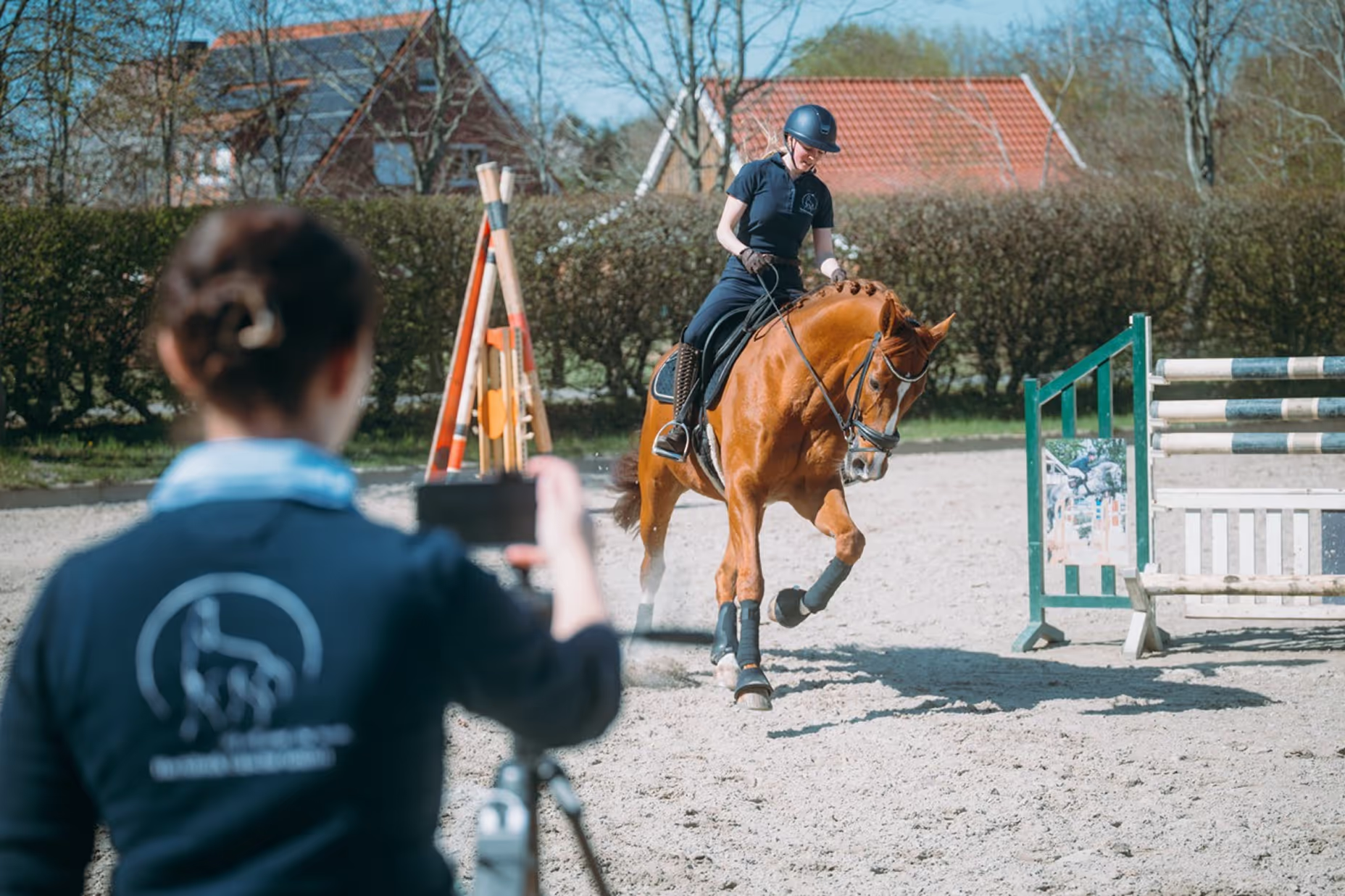
Female equestrian in helmet riding a brown horse mid-jump during a show jumping event while another person films on a smartphone.
120+
staff
Tierklinik Lüsche is one of Europe’s largest equine clinics, with a multidisciplinary team spanning orthopaedics, imaging, podiatry, rehabilitation, surgery, and sports medicine.
600+
recordings per month
Part of the clinic's lameness diagnostics workflow, Sleip is used daily by veterinarians across departments.
€80
charging
‍Lüsche charges €80 for a first Sleip measurement and €40 for follow-ups — enabling quick cost recovery while making objective gait analysis accessible to clients.
Man wearing a brown sweater and checkered shirt, with a headset and conference badge, touching a brown horse.
Dr. Marc Koene
Co-owner of Tierklinik Lüsche
Dr.Med.Vet
“Sleip adds science to what has long been seen as the art of lameness exams. It makes subtle asymmetries visible, helps us understand compensation, and supports more precise decisions. It’s very good both for surgeons at the clinic and students to see lameness visualised. For initial assessments, we charge €80, with follow-ups at €40, so we cover the subscription cost easily. It’s not only a clinical tool but also provides a sound business model—affordable for vets to implement, and for clients to benefit from. At our clinic, we’ve used objective gait analysis for some time. Within three weeks of introducing Sleip, it became part of everyone’s workflow here, because it’s practical and easy to use. For me it’s a no-brainer: Sleip is one of those rare, game-changing products that really make us better veterinarians. We consider an important tribute to equine welfare to pick up clinical relevant asymmetries before they turn into lamenesses which curtail the horses' performance and increase recovery time.”
More use cases
Rehabilitation monitoring

Explore

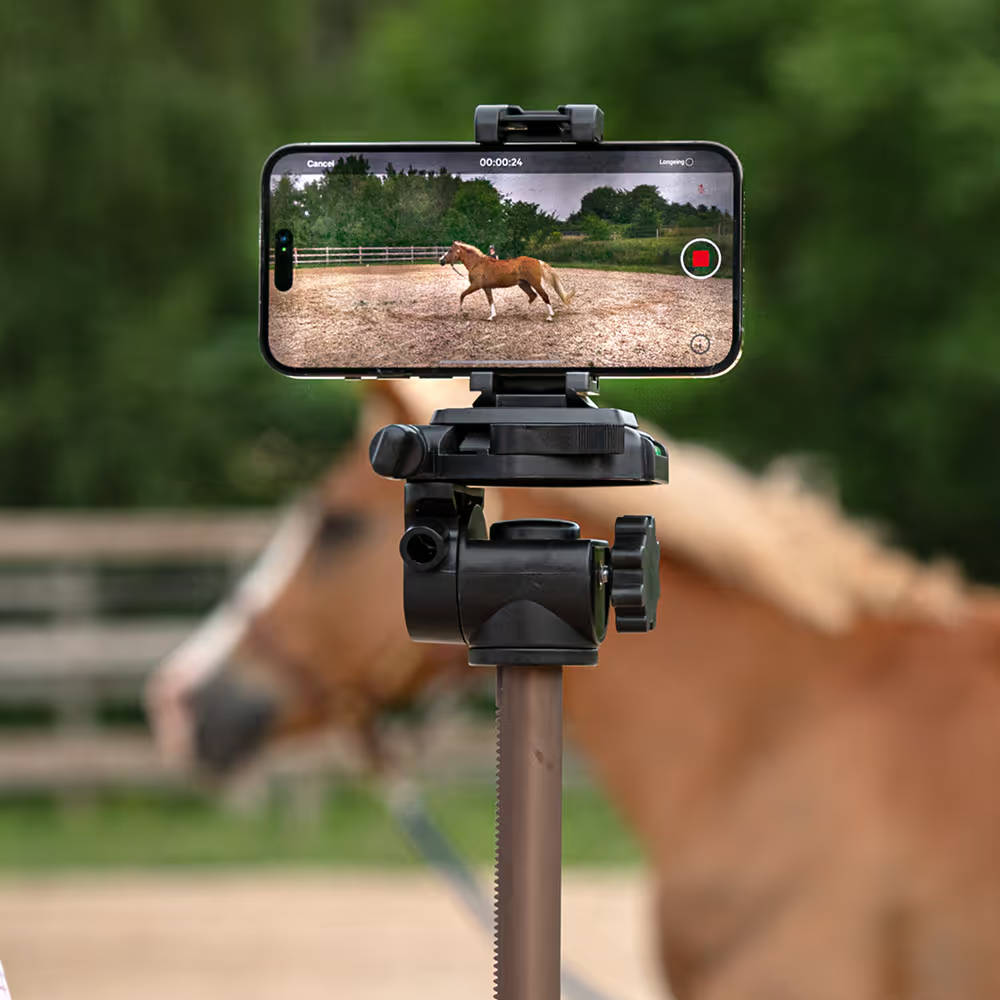
Smartphone on a tripod recording a brown horse trotting in an outdoor arena.
Prevention

Explore

Close-up of a blonde woman gently touching the face of a brown horse with a white blaze, both eyes closed.
Fit to compete assessments

Explore

Close-up of white horse hooves kicking up dirt on a sandy surface.
Free trial
Sign up for a 14 day free trial.
FAQ

Explore

Woman in glasses and a grey sweater looking at her smartphone while a brown horse nuzzles her ear against a dark background.
User guides

Explore

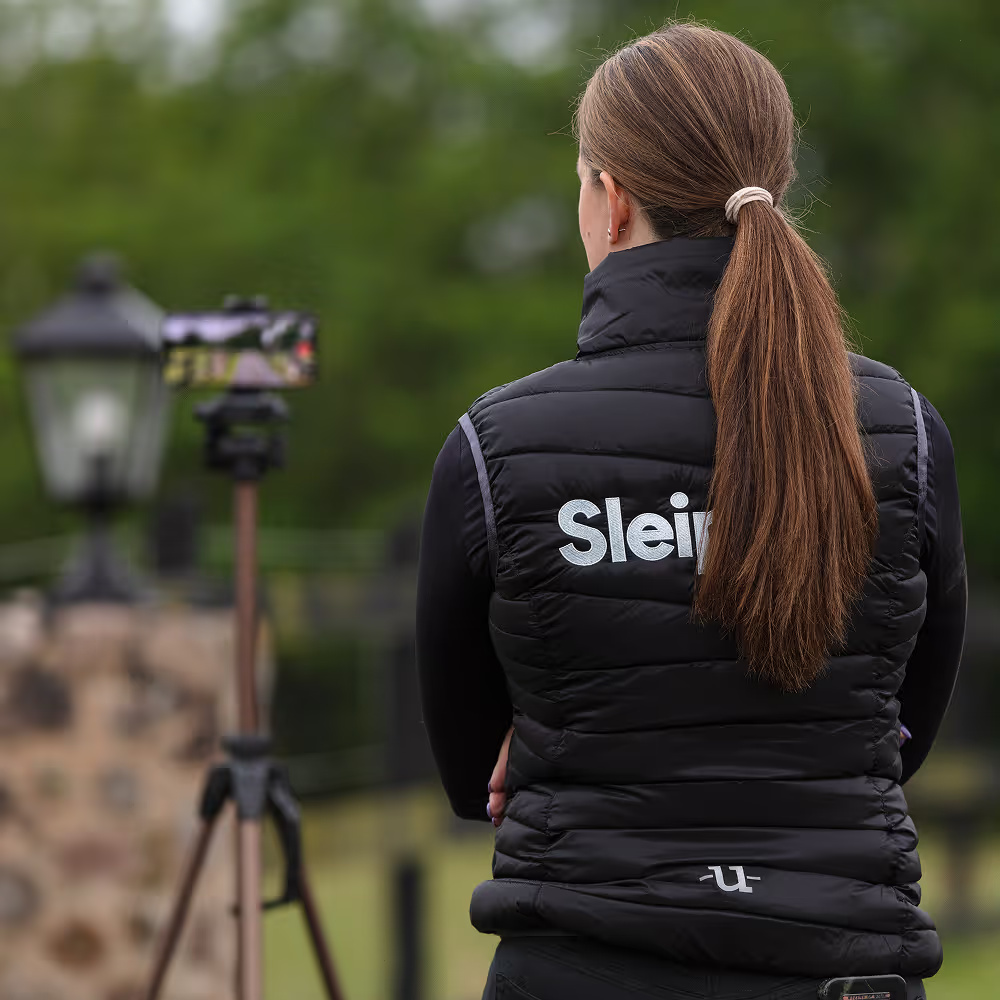
Woman with long brown hair tied in a ponytail wearing a black jacket with 'Sleip' printed on the back, standing outdoors facing a smartphone on a tripod.
Articles

Explore

Close-up of a brown horse with a black mane and a white stripe on its face, looking backward in an outdoor setting.