

Fighting OA
Osteoarthritis (OA) is the most common cause of lameness in horses, responsible for up to 60% of chronic cases. It is a progressive joint disease characterised by inflammation, cartilage degeneration, and changes to bone and soft tissues.
OA affects horses of all ages and disciplines, not just older horses. Subtle biomechanical changes and synovial inflammation often appear long before overt lameness.
Dr. Lisa Fortier

Explore

Smiling woman with long blonde hair wearing a black shirt against a gray background.
Stages of OA

Explore

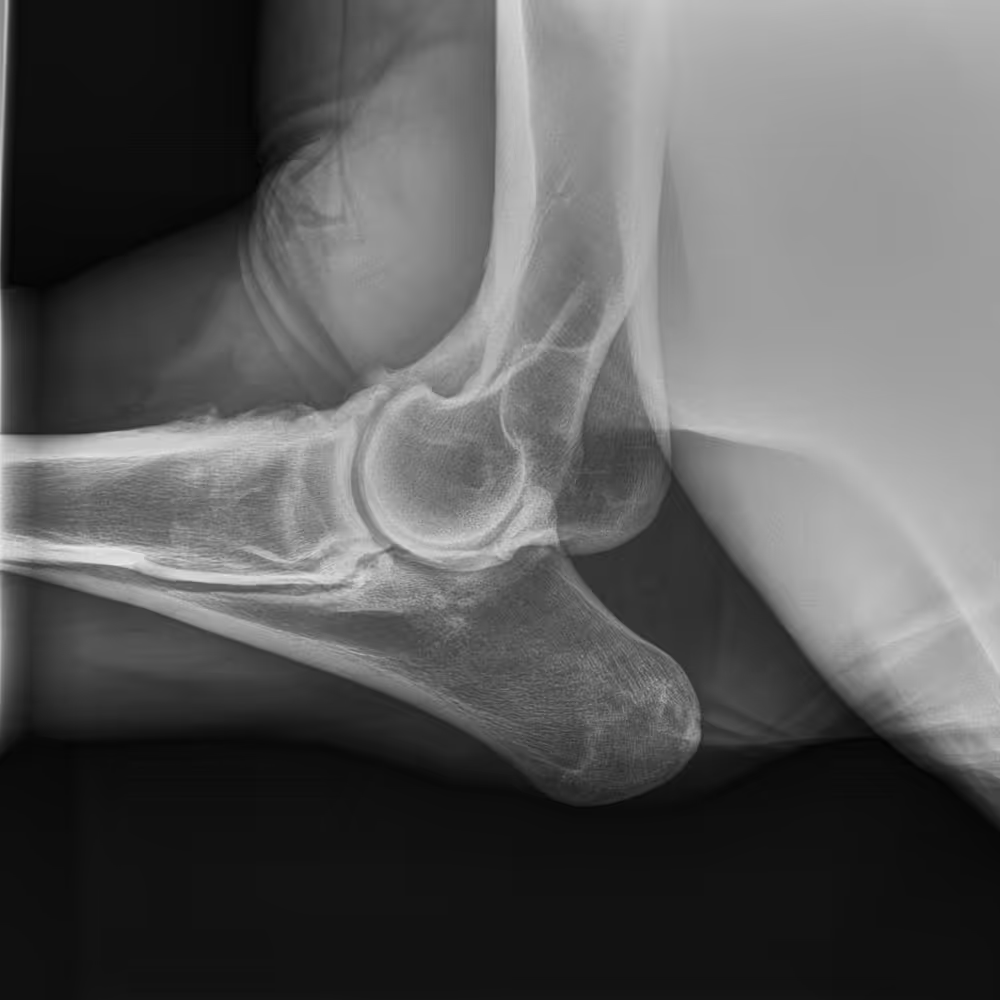
X-ray image
Case study

Explore

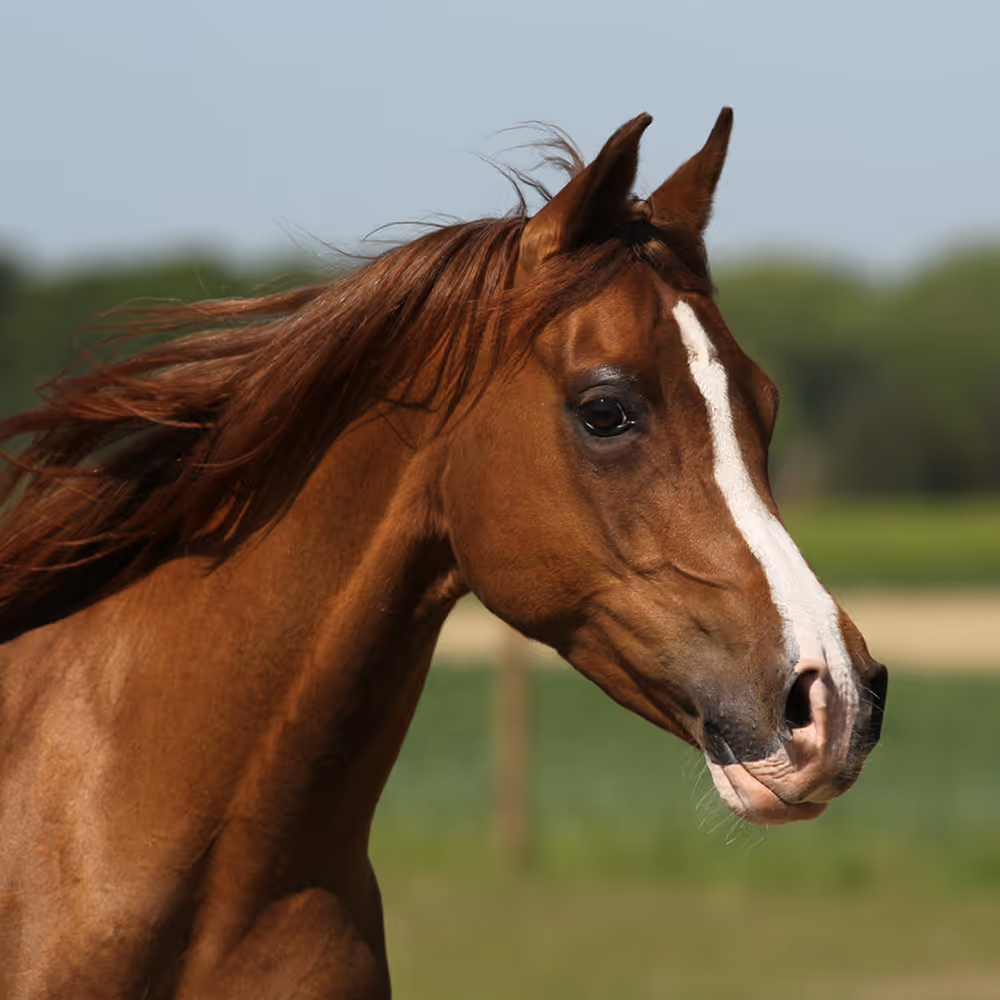
Close-up of a chestnut horse with a white blaze on its face and flowing mane against a blurred green background.
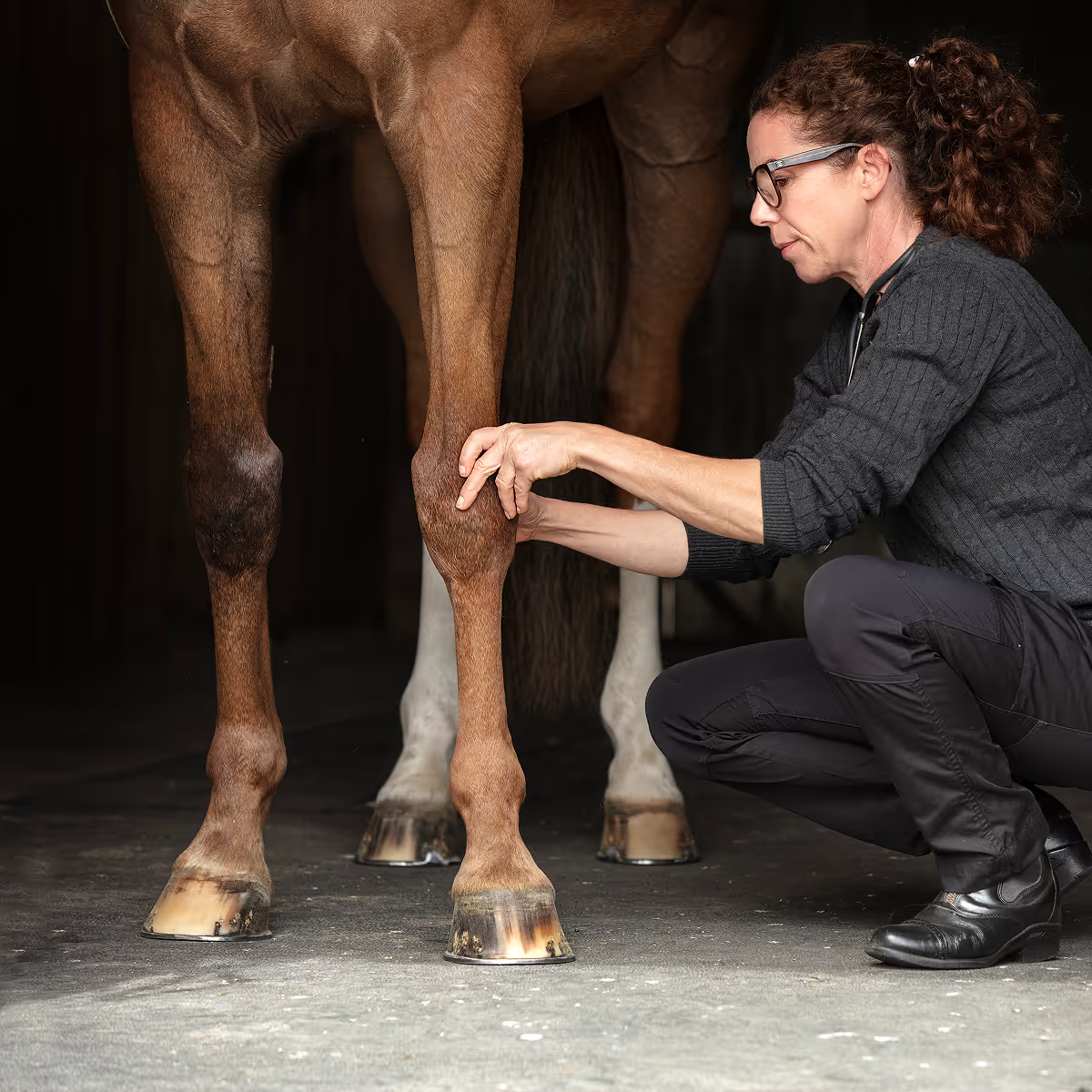
My OA strategy

Explore

Veterinarian examining the front leg of a brown horse inside a stable.
3 months free Sleip Remote for early detection and monitoring
In the lead-up to Osteoarthritis Awareness Month, get 3 months of Sleip Remote at no extra cost. Support early detection and ongoing monitoring by inviting clients to record from home, reviewing movement over time, and following up between visits.

New customers who start a Sleip subscription before 30 April will receive 3 months of Remote included. Existing customers can add Remote in April and receive 3 months’ use at no extra cost.*

*Offer available until 30 April. Customers who already have Remote in their subscription are not eligible. Cannot be combined with other offers.
Campaign kit
Social media assets

Open

Circular icon split diagonally showing Instagram logo on the top left and Facebook logo on the bottom right.
Support your clients during OA Awareness Month
Access ready-to-use materials to communicate with your clients about osteoarthritis, early detection, and remote assessments. The campaign kit includes an email template and social media posts to help you introduce Sleip Remote, support conversations around monitoring and ongoing care and prepare client communication ahead of May.

Setting the joint up for success

Dr. Lisa Fortier, long-time equine surgeon and clinician-scientist at Cornell University and now Editor-in-Chief of JAVMA and AJVR, has devoted much of her career to understanding and treating OA. In conversation with us, she highlighted how the understanding of the disease has shifted over time, and what veterinarians can do to improve outcomes in practice today.

Stages of OA
from mild to severe

Osteoarthritis (OA) is not a single event or a simple, linear disease. It’s a gradual process that can begin in different tissues — the cartilage, the synovial membrane, or the subchondral bone — and progress in complex, interacting ways. Scientists still debate where it truly starts: Does inflammation in the joint capsule trigger cartilage degeneration? Does cartilage damage initiate inflammation and bone adaptation? Or should we view OA as a “joint-as-an-organ” process, involving all tissues from the start?

Case study
10 year old Arabian gelding

Osteoarthritis case: LF fetlock lameness.
A 10-year-old Arabian gelding presented with lameness following a trail ride. Imaging confirmed moderate osteoarthritis and a subchondral cystic lesion in the left front fetlock.

My OA strategy
Top vets sharing their tips

To support your clinical decision-making, we sat down with leading equine orthopedic veterinarians. In this series, they share how they manage OA across different joints — from early signs to long-term follow-up. The share their clinical reasoning, preferred treatment pathways, and practical rehab recommendations — grounded in extensive real-world experience.