“There’s a lot of emotion, and everybody wants to make the race, they want their horse to compete safely, and they want to win," says Dr. Will Farmer, Co-Leader of the Breeders’ Cup Veterinary Team. “But no matter what the emotions are, there’s never any doubt in our minds on what our job is — to do what is best for each horse.”
Some of the world's top racehorses are gathered in just a handful of barns at Keeneland. For the experienced team of regulatory veterinarians on site, it's about making sure the horses are sound and spotting any early signs that something may be wrong.
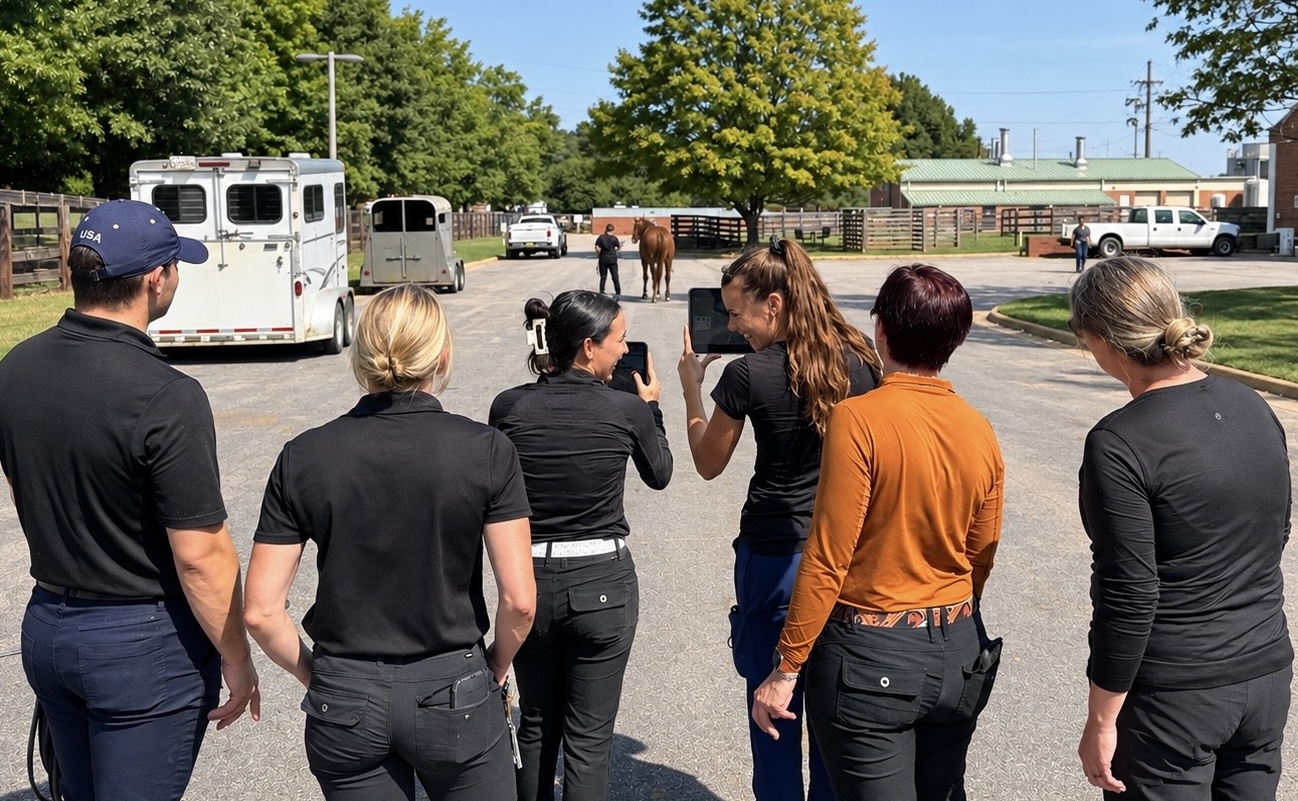
Following an initial pilot with regulatory veterinarians at the 2025 Breeders' Cup, Sleip is being used for the second consecutive year. While trainers could already submit gait recordings remotely last year, they have now also been offered access to the full Sleip app ahead of the championships.
Participation is voluntary, giving trainers the opportunity to record and monitor their horses' movement at home, with the recordings shared with the regulatory veterinary team.
Farmer says the recordings are already helping to start conversations well before horses arrive.
On the morning of our interview, he received an email from France concerning horses being considered for the Championships. The enquiry was whether their Sleip recordings raised any initial concerns before travelling to Kentucky.
"I appreciate the conversation and the communication between the regulatory veterinarians here in Kentucky at the host jurisdiction and the trainers and the attending veterinarians wherever they may be across the world," he says.
That international collaboration extends to the veterinary team itself, with regulatory veterinarians from Ireland, Britain, Japan and other racing jurisdictions working at the Championships. Some will already be familiar with the horses and trainers from their home countries.
"We all walk a little differently. Our strides and gaits are different, and the same is true of racehorses," Farmer explains.
A horse may have a degree of asymmetry that is typical for that individual. Having an earlier gait recording can provide useful context when assessing whether something has changed. With veterinarians from different racing jurisdictions involved, objective gait data can also provide a common reference point when discussing their observations.
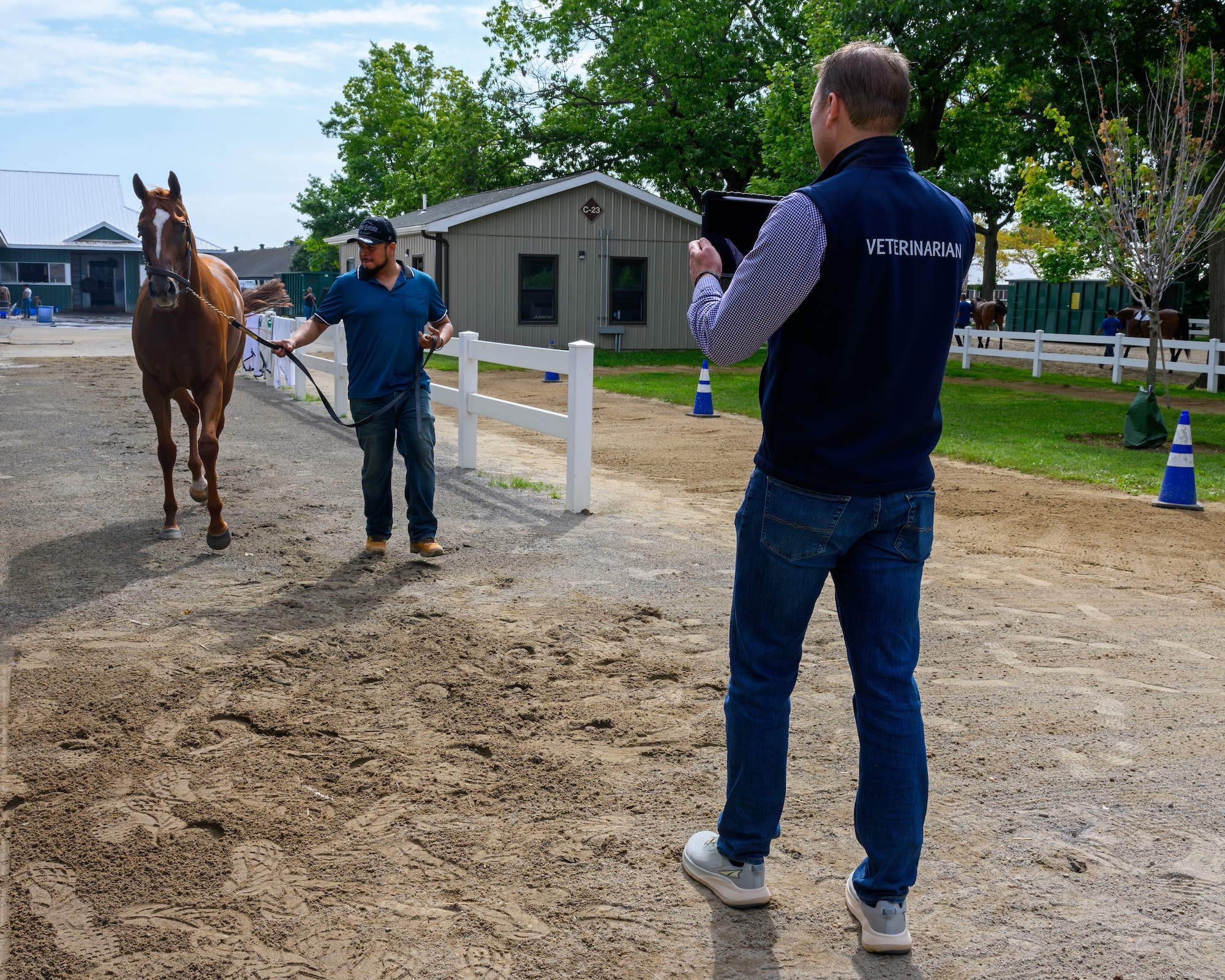
During the Championships, all horses undergo repeated veterinary examinations. Sleip is not used for every examination, but it is available when veterinarians want additional objective gait data or to document changes in a horse's movement. If earlier recordings are available, they can also provide a useful reference for comparison.
"It gives us a benchmark, especially if we have a previous Sleip video on them," says Farmer. "That way we can document the progress, with reference points from the past."
Farmer's interest in objective movement data began in 2022, when Churchill Downs started exploring wearable sensors to gain a better understanding of racehorse injuries.
He points out that despite repeated examinations by trainers, attending veterinarians and regulatory veterinarians, injuries can still occur.
"The horse is communicating to us, and we can now use several advanced tools to listen," he says.
This has driven his interest in technologies that can complement clinical examinations, from wearables collecting data during high-speed racing to Sleip's video-based gait analysis during in-hand examinations.
"One doesn't replace the other. They work complementarily.”
For Farmer, however, the motivation goes beyond technology. Almost 20 years ago, he took a job as a regulatory veterinarian in Kentucky and found his calling:
"I fell in love with being the voice for the horse."
His two daughters compete in eventing, and the family owns two retrained racehorses. Seeing Thoroughbreds go on to enjoy successful second careers is a source of particular satisfaction.
"Knowing we helped keep them sound and safe enough so that they can leave the racetrack and continue successful careers is great."
Photo credit: Breeders' Cup