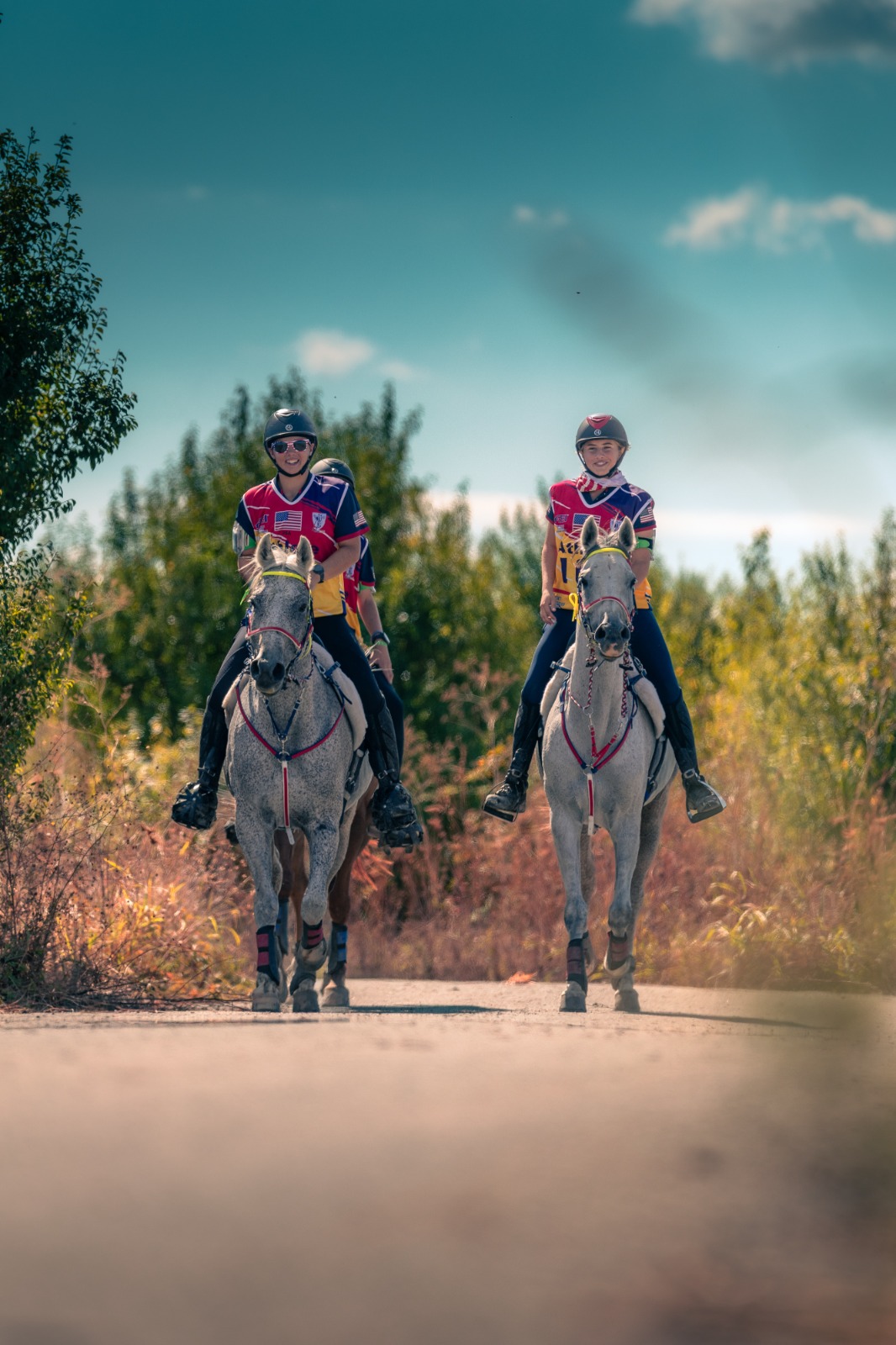
When people think about elite equestrian teams, they often imagine riders and horses training together at a central facility. For the U.S. Endurance Team, reality looks very different.
Horses and riders are spread across a vast country, often thousands of miles apart, while preparing for international championships. Yet team veterinarians and management still need to monitor horse welfare, support decision-making, and build a competitive team.
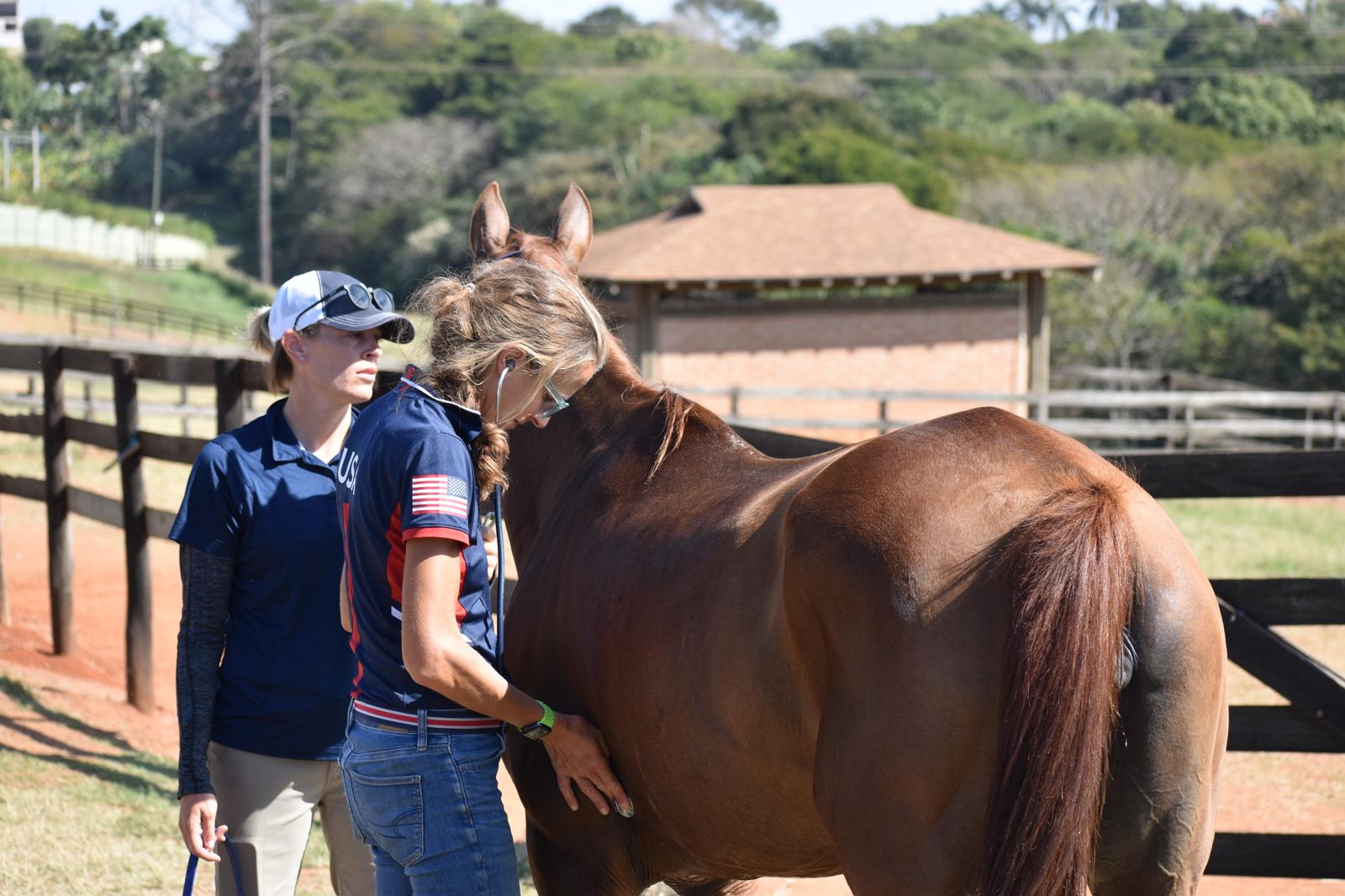
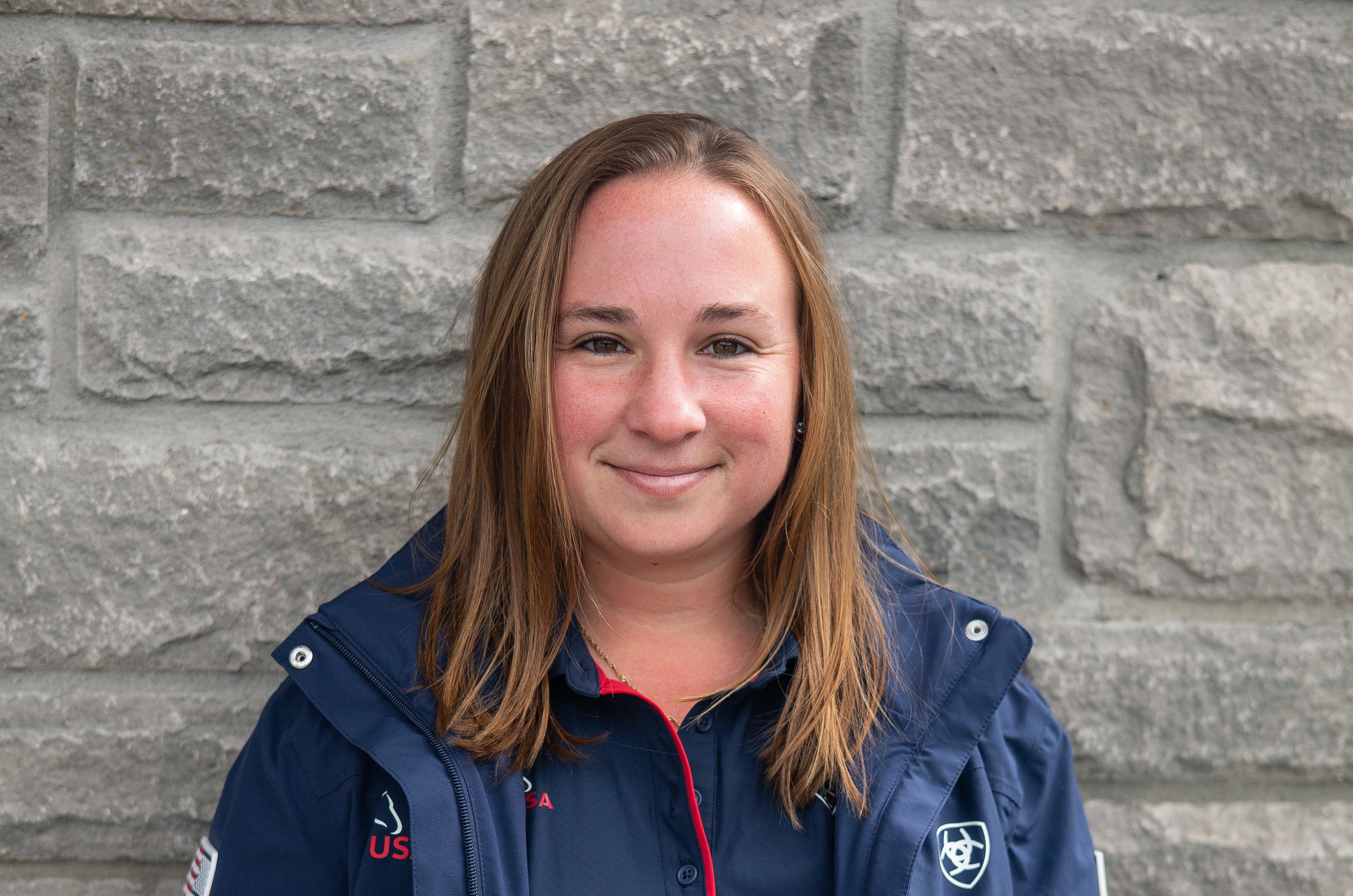
To understand how they approach this challenge, we spoke with Nicole Zerbee, Team Leader for the U.S. Endurance Team, and Dr. Olivia Rudolphi, Team Veterinarian.
"The fact that our horses are spread across the country is not an excuse," says Rudolphi. "We're going to do everything we can to monitor these horses, ensure they remain sound and healthy, and ultimately bring the best possible team."

The team has recently started using Sleip as part of its selection process, allowing horses to be monitored remotely throughout the qualification period.
For those unfamiliar with endurance, the discipline places unique demands on horses.
Unlike many equestrian sports, endurance competitions can cover up to 100 miles (160 kilometers) and require horses to pass multiple veterinary inspections throughout the day. Success is not only about speed, but also about recovery and the overall condition of the horse.
"You can't just pull a horse out of the pasture and go do an endurance ride," explains Rudolphi.
Preparing a horse for top-level endurance can take years. Conditioning, nutrition, hydration, shoeing, tack, travel management and recovery all play a role in long-term success.
One of the biggest challenges facing the U.S. Endurance Team is geography. Horses are based across the country, from coast to coast, and some even spend part of the season overseas. For the team's veterinarians and management, that makes traditional monitoring a significant challenge.
"We don't normally have constant eyes on these horses throughout the year," says Zerbee. "It's very difficult to have physical eyes on them throughout the selection process."
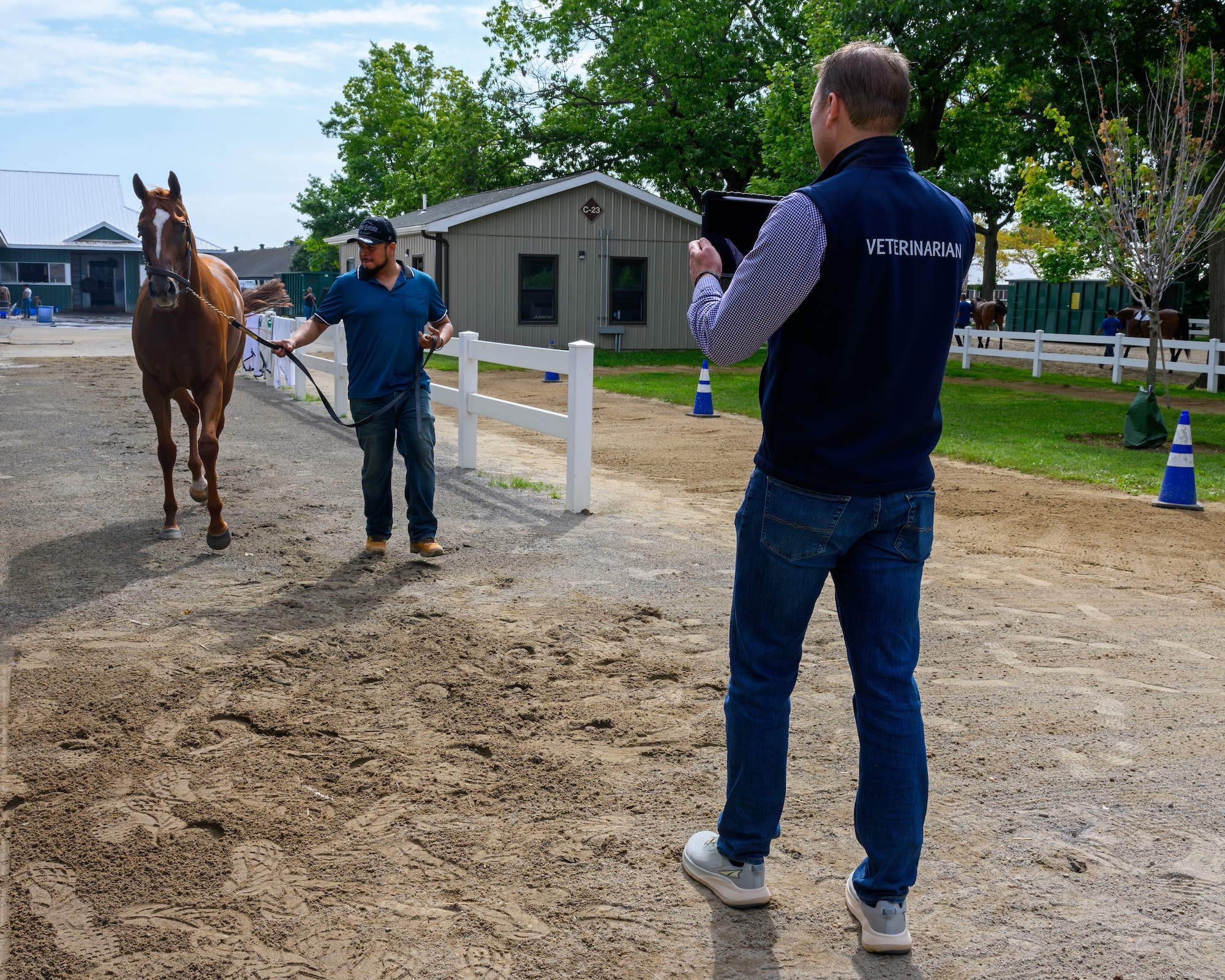
To bridge that gap, riders use Sleip to record their horses every two weeks. Combined with veterinary expertise and competition history, this creates a more complete picture of each horse's development.
According to Dr. Rudolphi, the goal is not to find horses that are obviously lame. Instead, it is to identify small changes early enough to act before they become major concerns.
Whether it's muscle tightness, travel-related stiffness, changes in movement patterns, or issues linked to shoeing or saddle fit, seemingly minor details can have a significant impact over time.
"If we see something consistently over time, we can recommend looking into it before it becomes a bigger issue," she explains.
That proactive approach has already proven valuable. In one case, movement data collected over time revealed a subtle but recurring inconsistency that wasn't causing any immediate concern. Together, the rider and team reviewed the horse's training and management, identifying small adjustments that could help reduce the underlying stressors and support the horse's long-term soundness.

Endurance rider Kelsey Russell has also found the longitudinal data useful when evaluating training. Comparing assessments has helped her see how her horse responds to more strenuous work and whether changes in training are improving areas of weakness or imbalance. For Russell, the data complements rather than replaces what she feels under saddle.
"It will never take away from being present in the moment and the physical touch, but it has been a good addition to fine-tune training and monitor areas of weakness so we can build a more balanced and strong partner," she says.
One lesson both Zerbee and Dr. Rudolphi emphasised is the importance of context.
A single data point rarely tells the full story.
Endurance horses may be filmed after a long trailer ride, following a competition, or during a period of intense training. Understanding what is normal for each individual horse is critical.
"We're looking for trends," says Rudolphi. "If something shows up once, that doesn't necessarily mean there's a problem. But if we see the same thing repeatedly over time, then we know we need to investigate further."
For U.S. Endurance athlete Nicole Wertz, regular monitoring has shifted the question from simply whether her horse is sound on a particular day to whether he is moving normally for him.

"Instead of asking only, ‘Is my horse sound today?’ I am also asking, ‘Is he moving like himself today?’" she says.
Wertz stresses that individual results always need context. Conformation, hoof balance, behaviour during the trot-up and how the horse naturally moves can all influence the data. What matters most to her is whether a change from the horse's established baseline persists over time.
For a team spread across an entire country, Sleip has become one more way to stay connected, to their horses, to each other, and ultimately to the welfare standards they want to uphold on the international stage.
Perhaps the most surprising outcome has been the effect on communication.
Rather than replacing veterinary expertise, the monitoring process has created more conversations between riders, veterinarians and team management.
"It's helped build trust and keep communication open," says Rudolphi.
The riders have noticed that effect too. Athlete Mollie Quiroz says having access to the same objective data has encouraged more communication with the U.S. Endurance Team and given everyone a shared reference point for what is normal for each horse.

That information can then become part of wider discussions around training, veterinary care and shoeing, while also helping the team become familiar with how an individual horse normally moves before a championship.
For Zerbee, the benefits extend beyond horse monitoring.
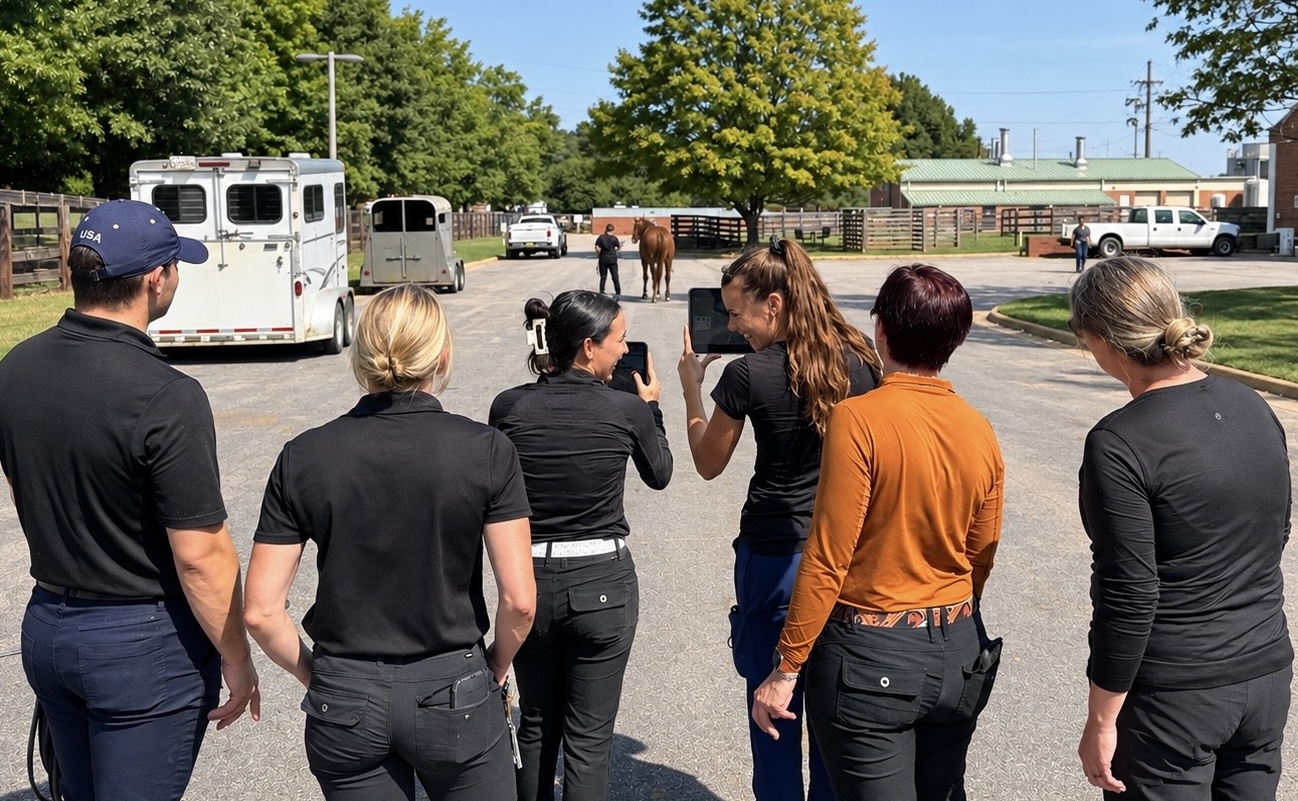
The process has also helped create a stronger sense of team among riders who may be separated by thousands of miles.
"They want to start communicating and working together," explains team leader Zerbee. "I think it's helping build that team atmosphere before the championship."
At its core, the project is not about technology.
It's about supporting better decisions.
"We're using every tool available to help put the whole picture together," says Dr. Rudolphi. "The goal is to take care of the horse and make the best decisions possible."